


More than 74 brands with their full model history. The average car in a used listing is several years old, in a trim that was dropped two facelifts ago. That is the part a catalogue has to cover.

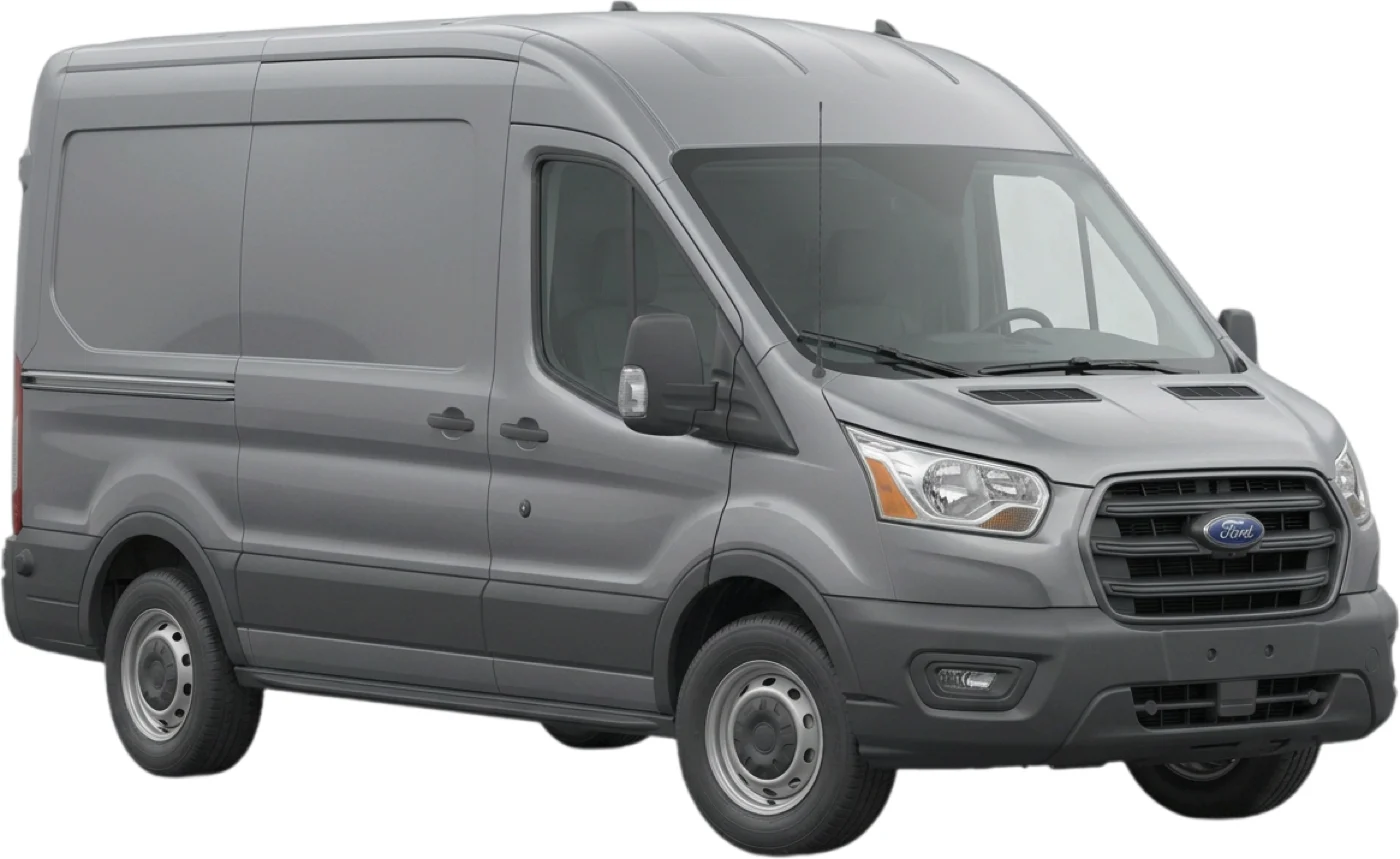
Eight vehicles from eight brands, each requested the same way. Identical framing and light is what lets them sit next to each other on one results page.




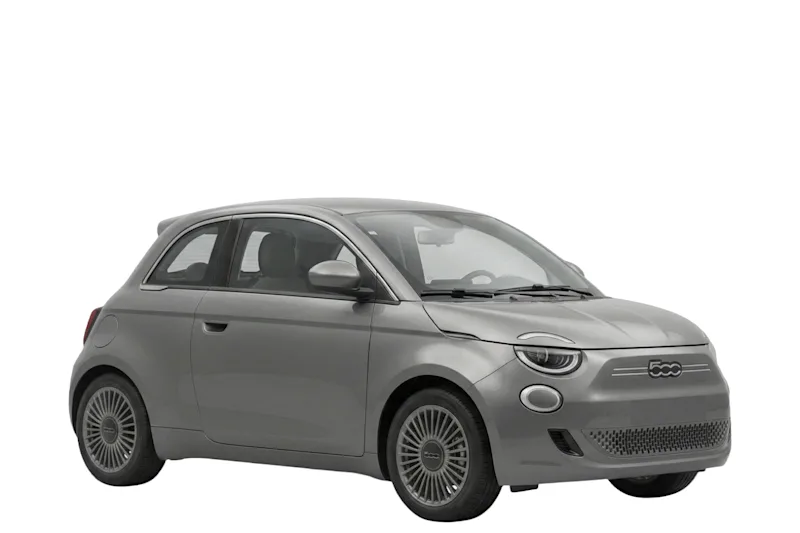
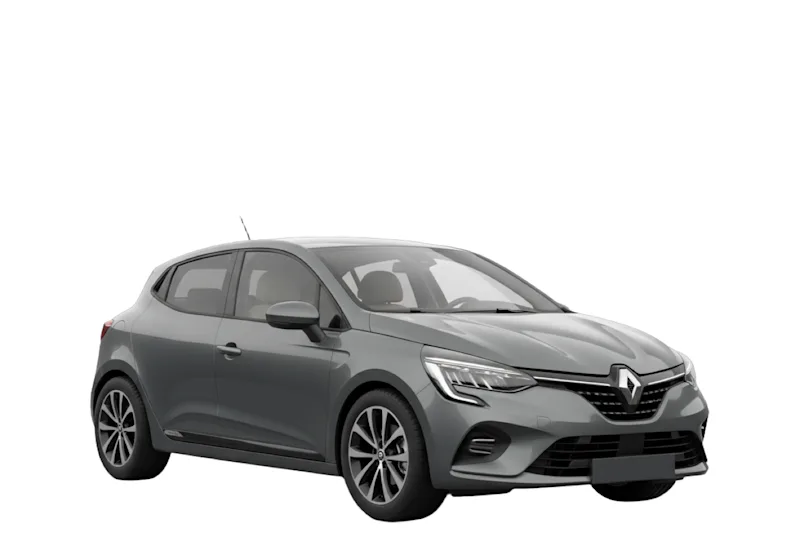

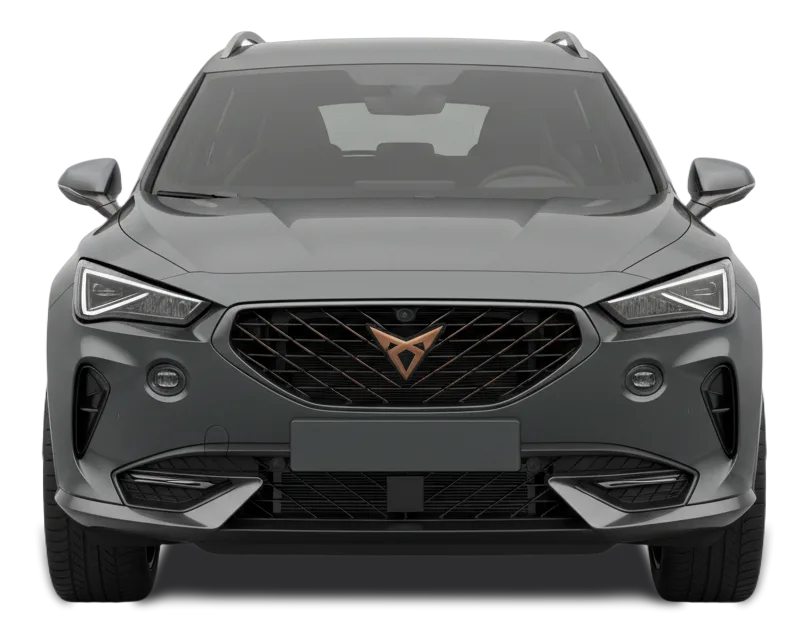
A catalogue is only useful if it still matches what arrives on the forecourt next month. New model years, facelifts and trim changes go in continuously, so a car booked in today is already covered.
More than 65,000 configurations across 74 brands and counting. The number moves every month, so treat it as a floor rather than a fixed figure.
Yes. The catalogue reaches back through previous model years, which matters for used car listings where the average vehicle is several years old.
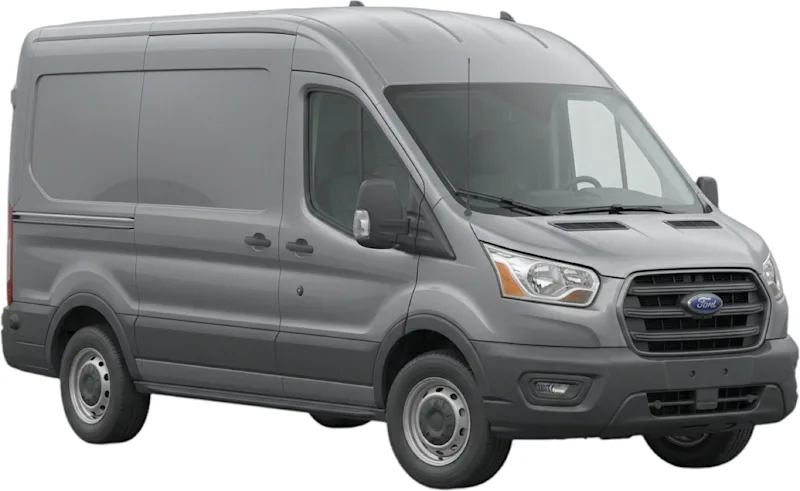
Both are covered, in the same studio look as passenger cars, so a mixed listing page stays consistent.
Query the catalogue endpoints for the brand, model and year. The documentation shows the exact call.
New model years are added continuously. If something is missing, send it to us and it goes into the next run.
An image service that covers the current model year of the ten biggest brands sounds impressive and is almost useless for a used car business. The average vehicle in a dealer listing is several years old, comes in a trim that was dropped two facelifts ago, and was painted in a colour that is no longer on the configurator.
Covering a new Golf is easy. Covering the estate version of the previous generation, in the trim that was only sold for eighteen months, is where a catalogue either holds up or falls apart. That is the part that decides whether your listing page has a picture for every car or a grey placeholder for one in five.
New vehicles enter the catalogue on a regular cycle rather than in a yearly release. For you that means the car that arrived this week is very likely already there, and nobody has to chase a supplier for a missing shot before the listing can go live.
Tell us what you need, and we’ll show you exactly the images your customers would get, clean, consistent and ready to use. Send a message or book a short call, whatever suits you better. You’ll usually hear back the same day, with real examples based on your own inventory.