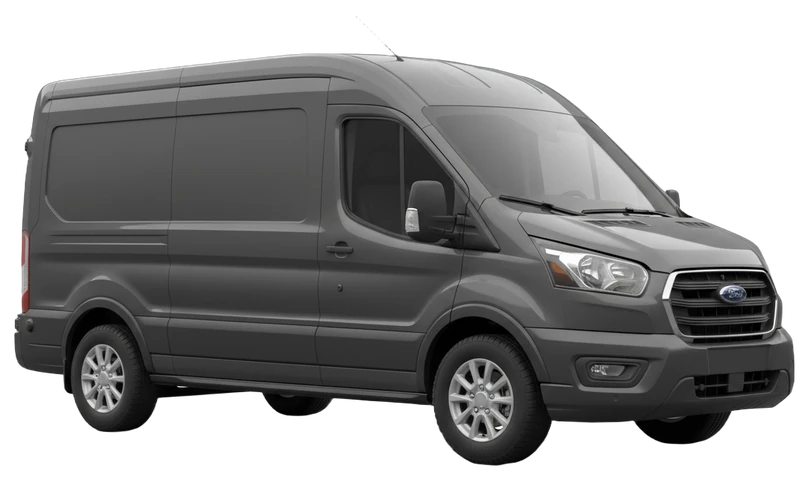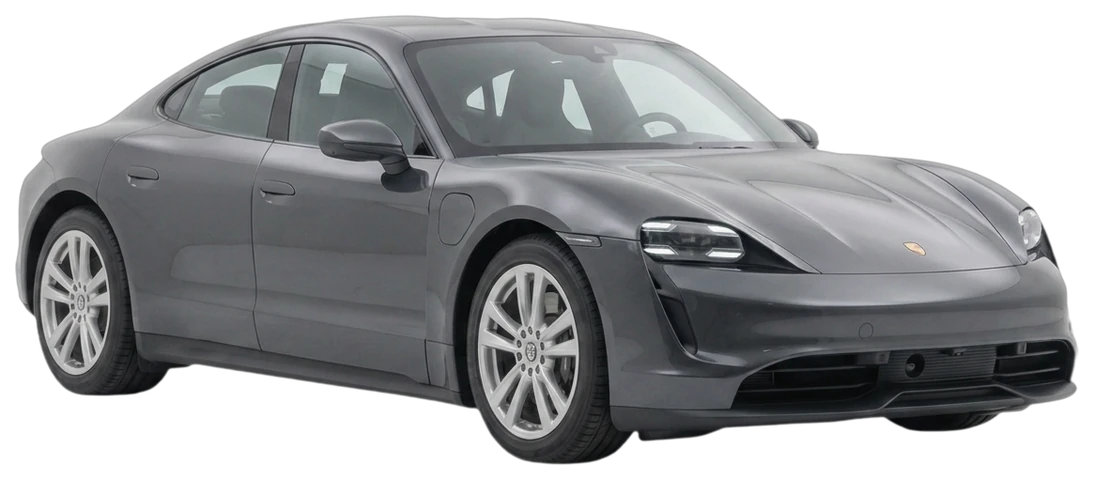
A dealer group lists cars faster than anyone can photograph them. Look each one up by VIN at intake, put a studio image on the listing in the same step, and let the photographer work on the cars that actually need a camera.


Every day a car sits pictureless it is invisible to shoppers, and the queue is longest exactly when stock is moving fastest. Resolving the VIN at intake puts a clean studio image on the listing before the car has been washed.
The integration fits into the intake process you already run, whether that lives in a DMS, an inventory tool or a spreadsheet export.
Intake already captures it. Send it as it is, no photography fields, no manual matching against a model list.
Model, trim, model year and factory colour resolve from the VIN, so the picture matches the window sticker rather than a lookalike.
Listing pages, classified feeds and window displays all take the same CDN link in whatever size and format each surface needs.
One integration serves the whole group, and every location inherits the same look without anyone enforcing a photo policy.
Different rooftops, different intake days, one consistent studio treatment.




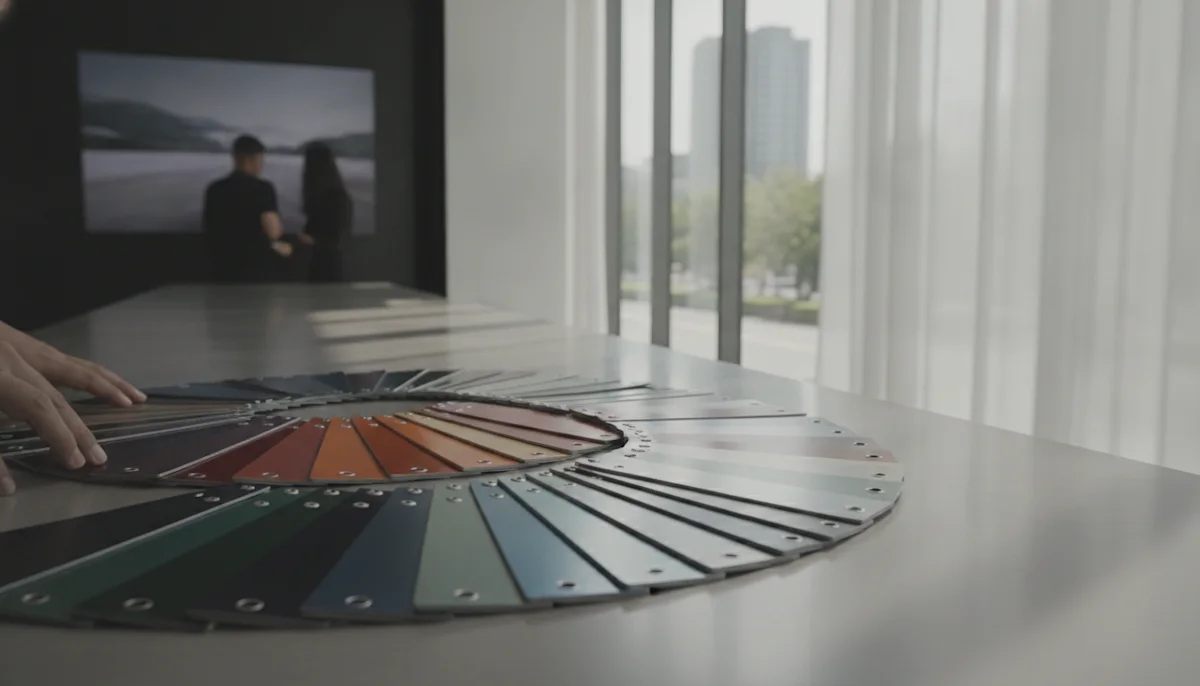
New car pages usually show the launch colour because that is the photo that exists. With rendered imagery the page shows the trim on your lot in the colour on your lot, and the configurator shows the rest of the range on demand.
Trucks and heavy commercials, ready for fleet and listing pages.
See examplesSedans, SUVs, hatchbacks and coupes from every major brand.
See examplesMotorcycles and two wheelers, the same clean look as our car images.
See examplesEVs and hybrids, rendered with the same clean studio look.
See examplesCoupes, roadsters and supercars, every angle in showroom quality.
See examples
For used cars the honest answer is both layers. The rendered image gives the listing its consistent hero and its angle set, and your photos document the actual vehicle underneath. Shoppers see what the car is and what this example looks like.
We went from two days per listing to under an hour, and the group finally looks like one company online instead of nine dealerships with nine cameras.
 Marcus Dunham Managing Director, Dunham & Co
 For new and nearly identical stock, mostly yes. For used cars the rendered image carries the listing while your photographer documents condition, which is the part of the job a render cannot do and a phone often does badly.
The API returns an image URL for any VIN, so anything that can store a link can use it. Most groups wire it into the intake flow once and never touch it again. The docs cover the endpoints and parameters.
Make, model, year and trim resolve too, and a plate works in markets with plate lookup. The VIN just gives you trim precision with zero typing.
Yes. The licence is written for the group, covering your websites, classified feeds and print. One agreement, every location, and legal reads it once.
The feeds carry image URLs the same way your site does. You control size, format and background per channel with request parameters, so each portal gets what its guidelines ask for.
As fast as your intake process posts the record. The image itself resolves in the time of an API call, so the queue disappears rather than getting shorter.
A dealer group does not have an image problem on any single car. It has an image problem in aggregate: hundreds of listings across rooftops, photographed by different people on different days in different weather, all representing one brand to a shopper who compares them side by side. The inconsistency reads as disorganisation, and the pictureless gap between intake and photography reads as nothing at all, because those cars simply do not appear.
With a VIN lookup in the intake flow, the listing goes live with a studio image the moment the record exists. The photographer stops being the gate through which every car must pass and becomes what the role should be: documentation for the used cars where condition drives the price. Groups that make this switch describe the effect in stock turn first and in workload second, because the cars that used to wait online invisible now sell during the days they used to wait.
Take twenty VINs from last week's intake, including the awkward ones: the facelift year, the odd trim, the colour with three names. Resolve them through the API and count how many come back as the right car with the right wheels. That number, against your current time from intake to listing, is the whole business case on one page.
A single rooftop can enforce a photo corner and a checklist. Nine rooftops cannot, and the group website is where the difference shows. Rendered imagery makes the consistency structural instead of disciplinary: every car in the same framing, the same lighting and the same background, because the images come from one place rather than nine cameras. Comparison pages line up, the search grid looks deliberate, and no manager ever writes another photo policy email.
Tell us roughly how many cars you list per month and which systems the images need to reach. We answer with real images for your VINs and the licence text for the group.