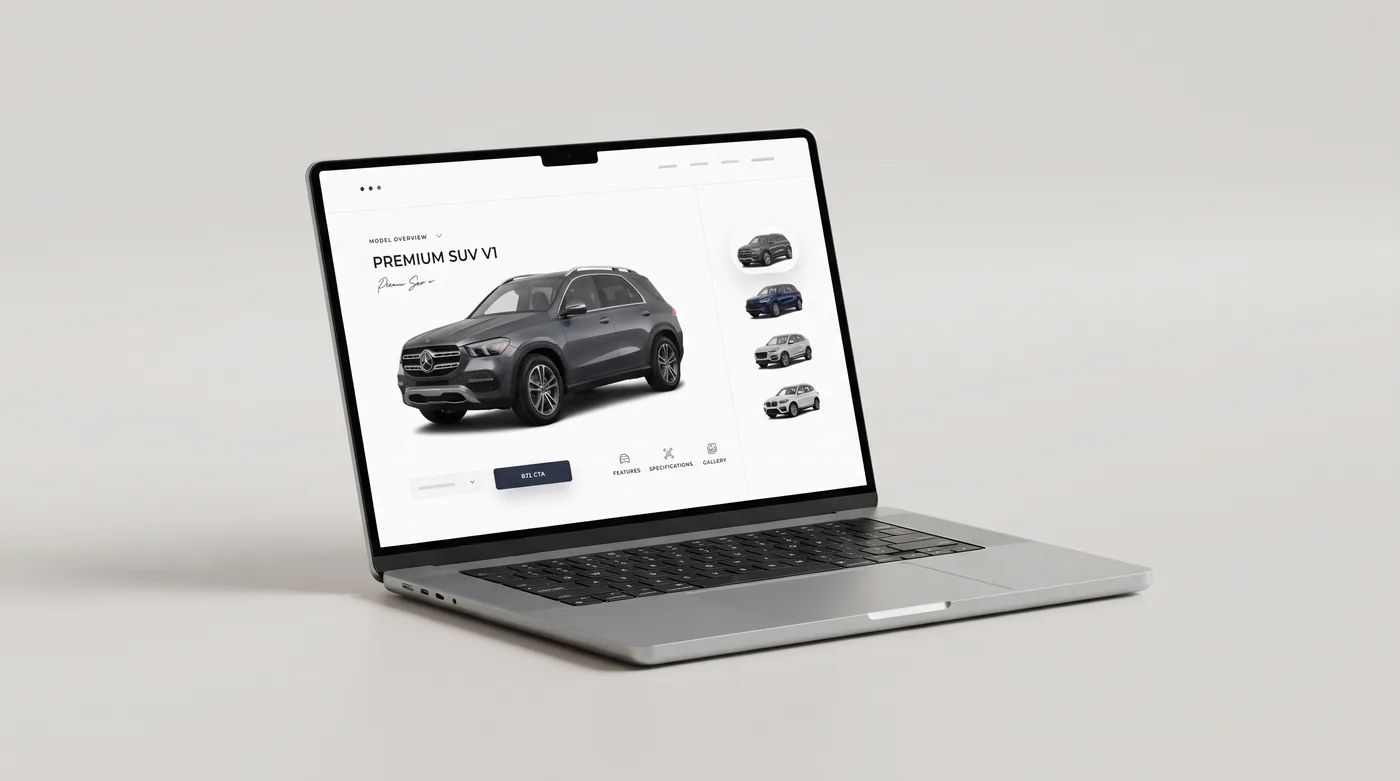
A quote screen, a policy document and a claim file all want a picture of one specific car, and nobody wants to explain where the current pictures came from. Resolve the vehicle from identifiers you already hold and the provenance question disappears.



The customer enters a plate, the vehicle resolves, and the quote stops being abstract. A quote about their car in their colour reads as an answer rather than an estimate, and insurers measure that difference in completion rate.
One lookup serves the whole policy lifecycle, which is why this tends to be one integration rather than four.
The plate resolves while the customer types, and the quote shows the car it is about.
The schedule and every renewal invitation carry the insured vehicle in print quality.
The handler gets an undamaged reference of the same trim from the same angle, next to the damage photos.
A mid term vehicle change updates the picture with the record, and cached copies keep old documents complete.
Quote screen, policy PDF and claim file, all showing the same correct vehicle.

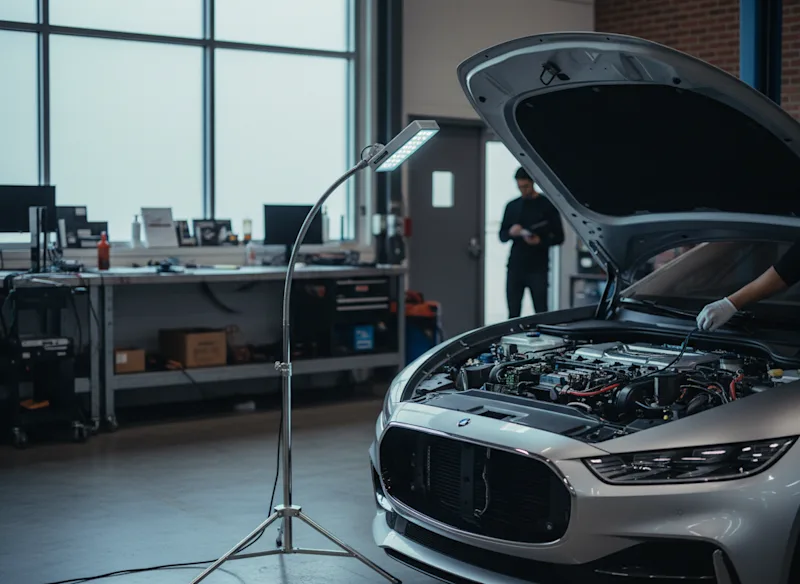

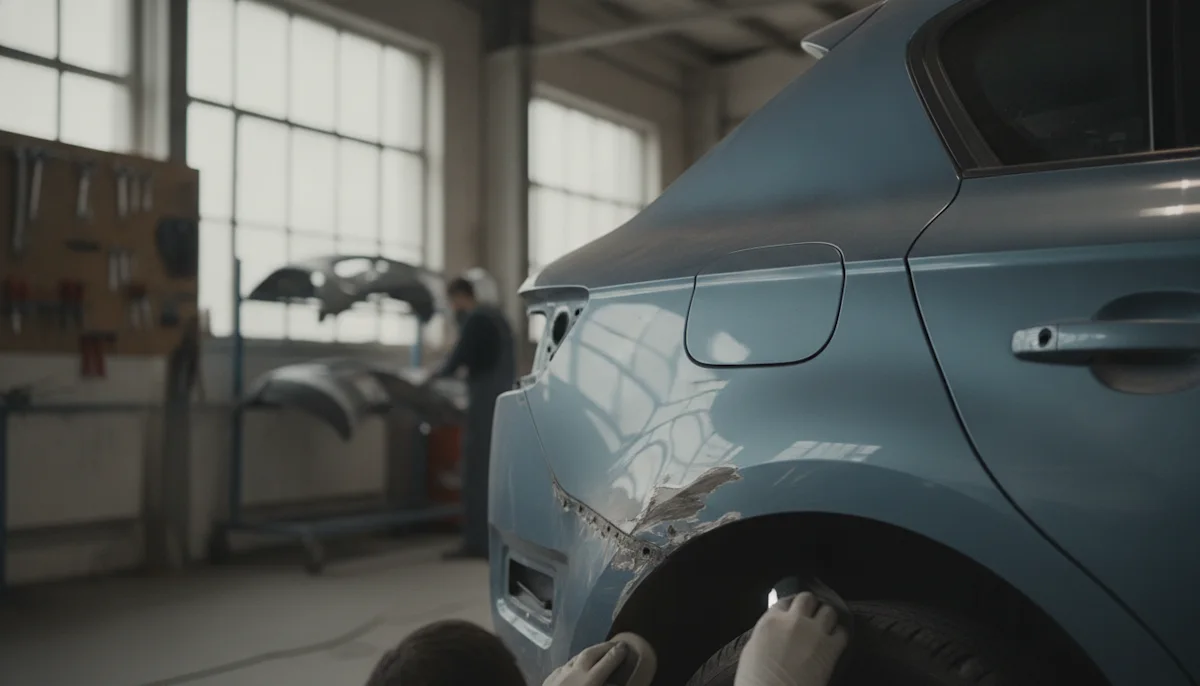
A handler looking at eight phone photographs of a damaged rear quarter needs to know what that panel should look like, on the right vehicle, in the right colour, from the right angle. That is a reference, not an illustration.

Most insurers arrive here because someone asked where the current images come from and the honest answer was uncomfortable. Rendered imagery has one rights holder and a licence written for documents customers keep.
Handlers open every claim file with the undamaged reference beside the photos now. Legal stopped asking where our car images come from, and claims stopped guessing what the panel should look like.
 Jonas Brehm Claims Systems Lead, Aldertal Insurance
 They render from licensed manufacturer vehicle data. Nothing is photographed, scraped or borrowed, which is why the licence can be put in writing, and that is usually the question that started the conversation.
No, and it should not be presented that way. It shows the model, trim and colour on record. Handlers use it as an undamaged reference beside the actual photographs.
In markets with plate lookup, yes. A VIN works everywhere, and make, model, year and trim resolve when that is all the record holds.
You send vehicle identifiers only. A VIN travels without the policyholder attached, so nothing personal leaves your systems for the image.
Yes, and for documents you should. Cache them with the policy record so a schedule regenerated in five years does not depend on a live call. The licence covers that pattern.
The mechanics are identical, and the licence extends to the document sets each party produces. The auto financing page covers the lender side in detail.
Insurers rarely plan to build a vehicle image capability. They inherit one, assembled from press kits, stock libraries and files nobody remembers saving, and it works until someone in legal or procurement asks the provenance question. The uncomfortable silence that follows is where this page usually begins.
The licence fixes a risk, but personalised quotes pay for the work. Resolving the customer's plate while they type puts their actual car on the screen at the moment they decide whether to finish the form. The picture does quiet work: it says we know your car, before a single coverage line appears. Completion rates respond to that, which is why quote flows are where most insurers integrate first.
Take twenty vehicles from your own book, including the awkward trims and the plate only records. Resolve them, count how many come back as the right car in the right colour, and read the licence against your document set. Those two checks decide the integration faster than any feature comparison.
The same resolution then follows the policy: onto the schedule, into renewal invitations, beside the photographs in a claim file, through a mid term vehicle change. Each surface asks for its own size, format and angle, and all of them share one integration and one licence. Finance products run the identical pattern on loan quotes and point of sale calculators.
Send us VINs or plates from your portfolio. You get the images for exactly those vehicles while legal reads the licence, so both reviews run in parallel.