
You have a number. What you need is a make, a model, a variant, a trim and eight pictures. Turning one into the other is the part nobody wants to build, so it is the part we built.
It arrives in a stock feed, on a registration document, in a spreadsheet from the leasing company.
GET /vin/WVWZZZ1KZAW000000
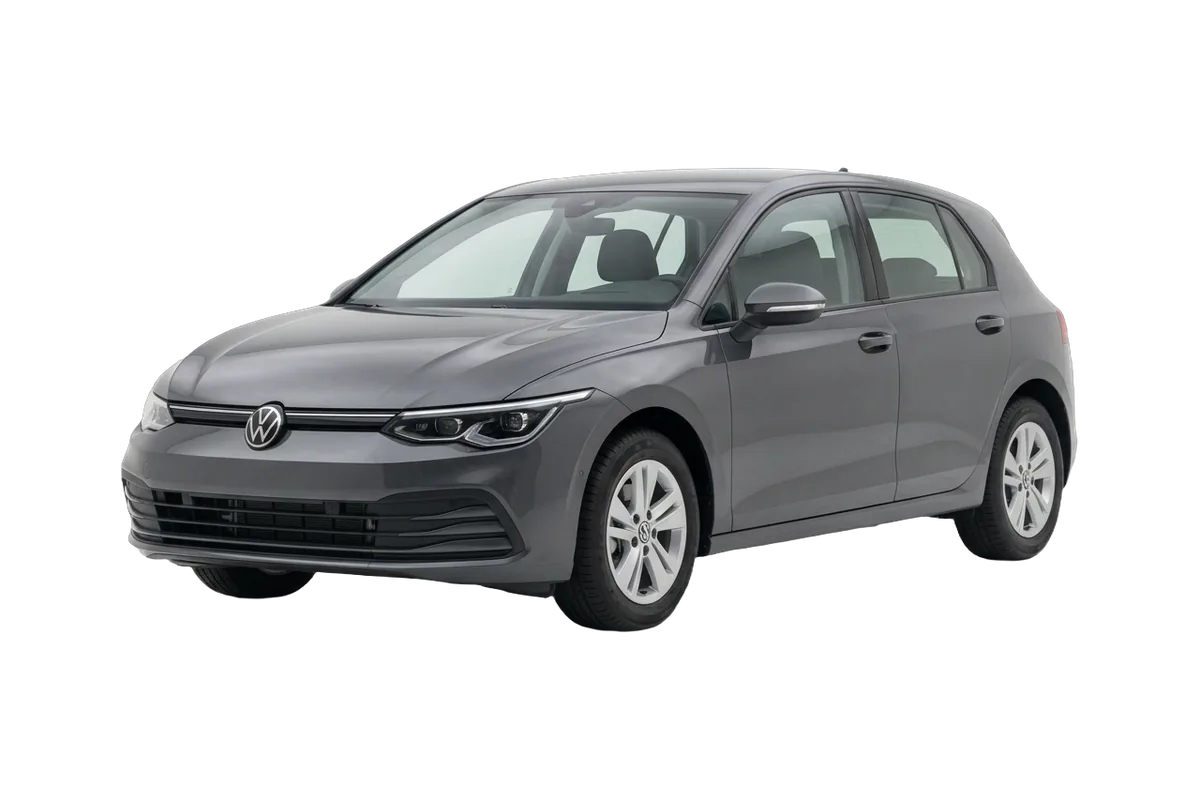
Somebody typed it into a trade-in form, or read it off the car standing in front of them.
GET /plate/MVI2024?country=DE
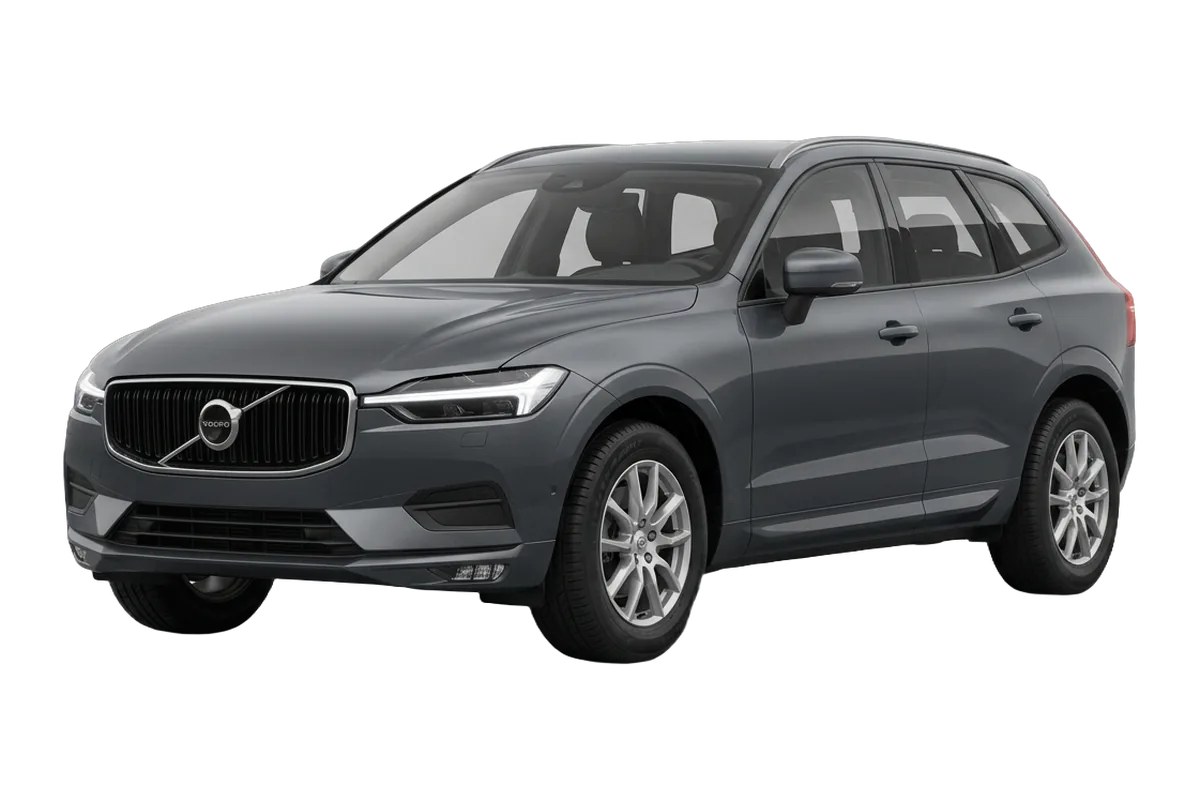
A person typed it into a search box, with the spacing and the nickname they happened to use.
GET /api/search?q=fiat%20500%202020
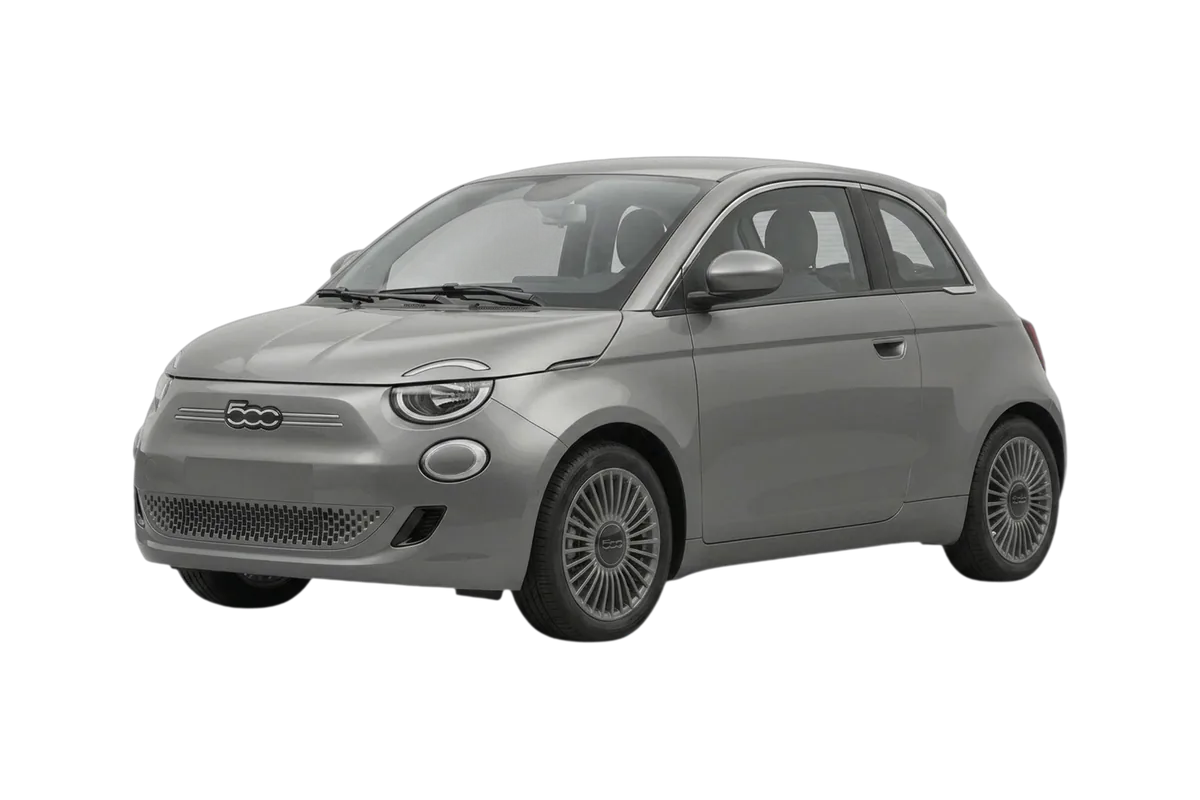
Example responses, shortened. The identifiers are placeholders, the vehicles and colours next to them are real catalogue output.
Three things, in one request. The middle one is the reason this is harder than it sounds, and the reason the answer tells you how sure it is.
A VIN becomes a make, model, year, body, engine and gearbox. A plate becomes the same, plus the VIN behind it and the colour the car was registered in. Free text becomes whichever catalogue entry the words were reaching for.
The decoded vehicle is matched against the catalogue, and the answer says how well it fits. That field exists because a near miss is a normal outcome in this business, and you should be the one deciding what to do about it.
The same response carries one signed image URL per view your plan allows. No second call, no mapping table of your own, no overnight job that reconciles two systems.
A plate lookup knows the colour the vehicle was registered in, and it carries that into the image request. So a trade-in page shows the car the customer will recognise in the car park, not a generic silver stand-in that makes them wonder whether you have the right vehicle at all.
When a registered colour is not one the catalogue carries for that model, it falls back to the standard finish and vehicle.color states what was actually used. That field is the reason a page can print "colour shown may differ" only when it is true, instead of leaving that disclaimer under every car forever and training people to distrust the pictures.
After the lookup, the matched vehicle is an ordinary catalogue entry. If you want it in a different paint, or in all eight angles, or cut out for your own scene, that is the same vehicle and the same endpoints as everything else on this site.
Matching a real car to a catalogue entry is not always clean: facelifts, market-specific trims, a variant that was sold for eleven months. Rather than hide that, the response grades it.
The UK, most of Europe, the USA and a number of further markets. Registrations repeat across borders, so pass country when you know it. Without it the lookup has to guess, and guessing is how a British plate becomes a Dutch van.
You get matched: false and no images, rather than the closest thing dressed up as a result. A wrong car on a listing costs more than an empty slot.
The decoding comes from vehicle data we license, the same source the catalogue is built on. That is also why the licence terms can be written down: nothing here was scraped off somebody else's site.
No, they are add-ons. Your key either has them or does not, and GET /api/me tells you which. Ask us and we switch them on.
Yes. The lookup fills in the registered colour because that is usually what you want, but the vehicle it matched is an ordinary catalogue entry afterwards. Ask for it in any paint the model carries.
Real ones from your own stock or your own trade-in forms. We run them through and send back what came out, including the ones that did not match, because that number tells you more about whether this works for you than the ones that did.