












The licence plate is the identifier customers actually know. Nobody types their VIN into a quote form from memory, but everyone knows their plate, and in many markets that plate resolves through national registries to the exact vehicle behind it. Plate lookup APIs package that resolution, and they quietly power the smoothest quote flows in insurance, finance and automotive retail.
How plate resolution works
Plates map to vehicles through national or regional registration data, which means availability and depth vary by country in a way VIN decoding does not. Where the registry is accessible, a lookup returns the registered vehicle's identity, usually including the VIN itself, which then unlocks everything a VIN unlocks. Where it is not, the plate is just a string, and the flow falls back to make, model and year.

The UX argument
The reason product teams care is friction. A quote flow that opens with one familiar field converts differently from one that opens with a seventeen character code or a five step picker. The plate is memorised, the lookup is instant, and the confirmation moment, seeing your own car appear on screen, does double duty as validation and as delight.
- One field the customer knows by heart
- Resolution to the exact vehicle, not a category
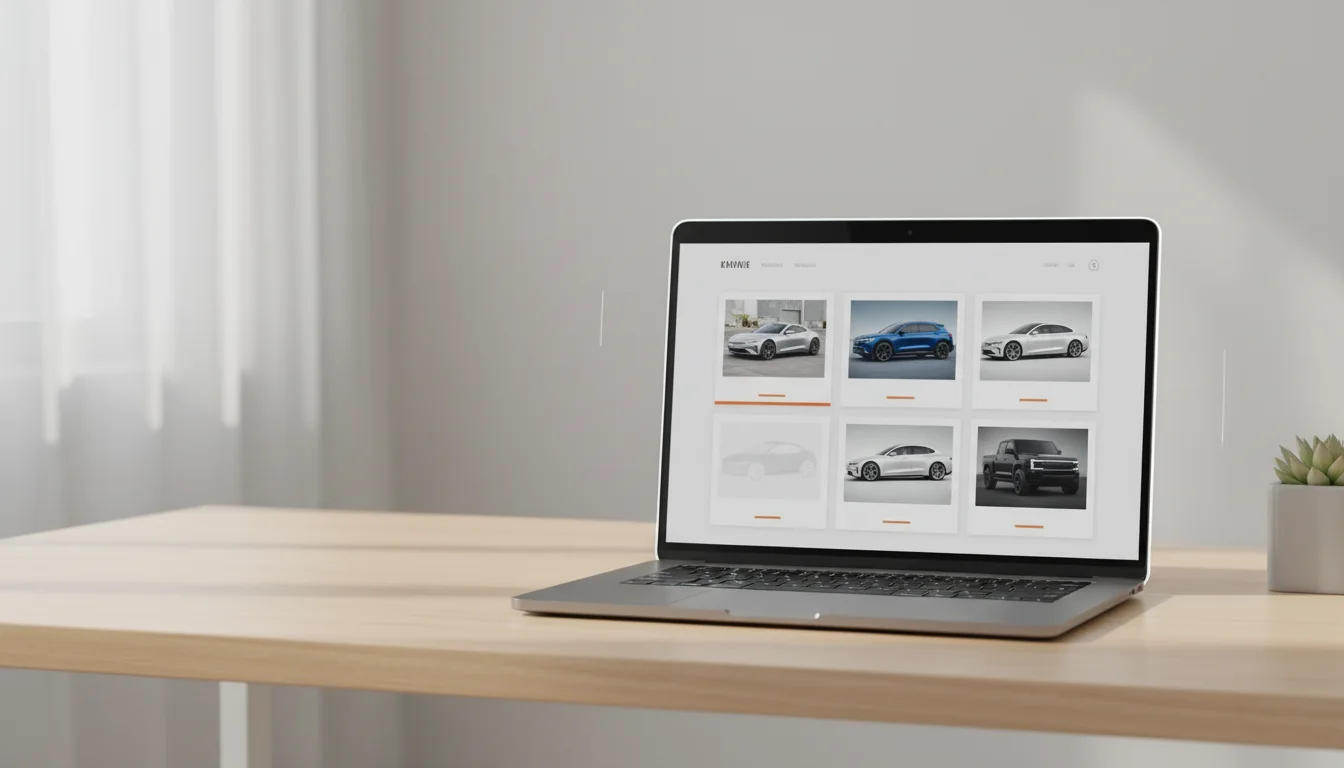
- The returned image confirms the match instantly
- Fallback to make and model where plates do not resolve
Plate to image in one call
Because the plate resolves to the vehicle, the image follows exactly as it does from a VIN: specification to catalogue entry to rendered angle. Our lookup page covers the combined flow, and the insurance and financing pages show it embedded in real quote journeys. The customer types a plate, and the car on their driveway appears on the screen, in the right colour, before they have finished the form.
Compliance is part of the design
Registry data is regulated, and a serious plate flow respects that by construction. The lookup transmits the plate and nothing about the person, results are used for the transaction at hand rather than stored speculatively, and markets without accessible registries get the honest fallback rather than a scraped workaround. Ask any provider where their plate coverage comes from, and walk away from vague answers.
The plate is the customer's identifier. The VIN is the system's. A good flow accepts the first and works with the second.
If your market list is specific, tell us which countries matter and we will tell you plainly where plate lookup works and where VIN or spec entry is the honest answer. The docs cover both paths.
Building the fallback properly
Markets without plate resolution deserve a designed path, not an error state. The pattern that works: try the plate, and when it cannot resolve, drop to a three field picker for make, model and year that still ends with the vehicle image on screen. The confirmation moment survives, and the flow feels intentional in every market rather than broken in some.
One operational detail worth planning for: plates change hands and vehicles change plates, so a plate is a lookup key, never a storage key. Resolve the plate, keep the VIN and catalogue ID, and treat the plate itself as disposable input.