












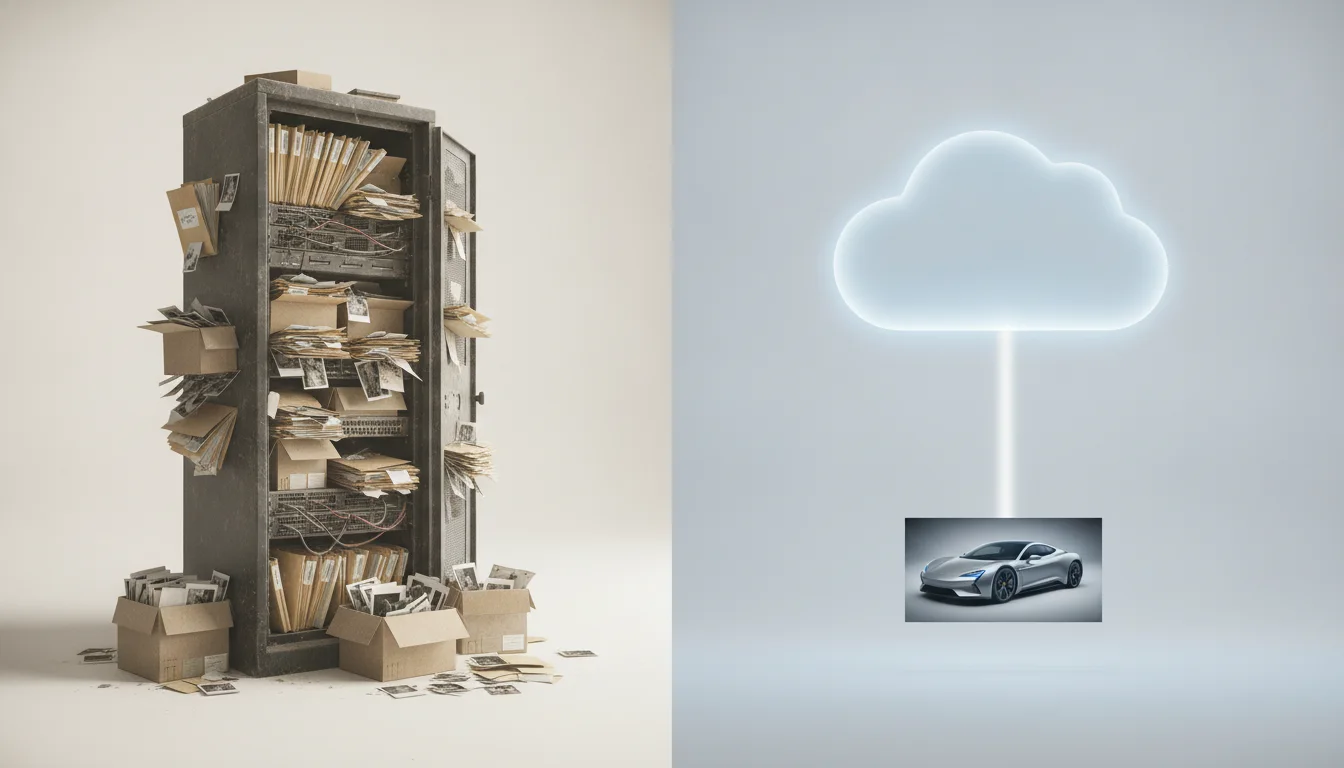
Teams that search for a vehicle image database usually mean something specific: we want the images here, in our infrastructure, where nobody can take them away or slow them down. That instinct is sound. The conclusion drawn from it, buying a dump of files, usually is not, because a database of images is not a product you buy once. It is a liability you maintain forever.
What owning the database actually means
- Ingest: terabytes of files, a naming convention, and a mapping to your vehicle data that you now own
- Updates: new model years, facelifts and new brands arrive continuously, so a static dump is stale the quarter you buy it
- Coverage gaps: whatever the dump lacks, you lack, with no request that can fill it
- Licensing: every file needs provenance you can produce when legal asks, years after purchase
- Serving: storage, CDN, resizing and format conversion are now your pipeline
None of these is hard on its own. Together they are a permanent, unglamorous internal product with one customer, and the moment its maintainer changes teams, the naming convention becomes archaeology.
What the API model replaces
An API inverts the ownership: the catalogue, its updates, its trim mapping and its licence live with the provider, and your system holds identifiers. A request like brand/model/year/trim/view plus parameters returns the current, correct image, including for the model year that did not exist when you would have bought the dump. Stable IDs mean the reference you store today keeps resolving as the catalogue evolves; see full make and model coverage for what lives behind that.
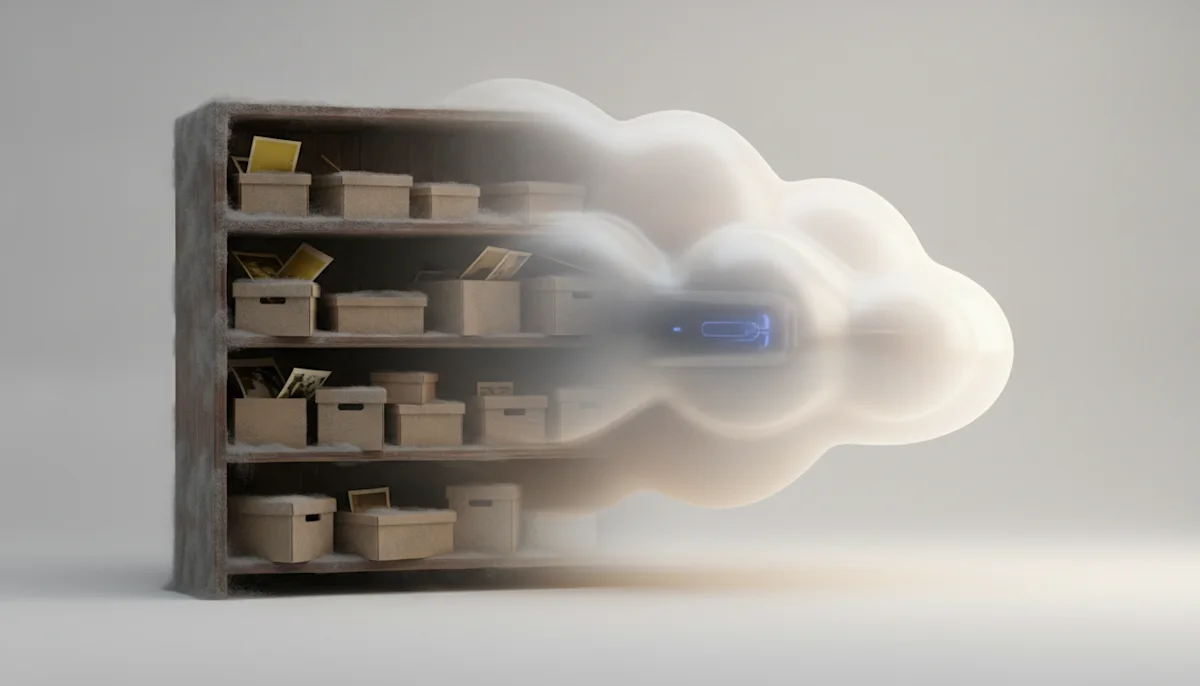
The hybrid that most production systems land on
The guaranteed-access instinct still deserves an answer, and the answer is caching, not purchasing. Resolve through the API, then store the returned images in your own bucket and CDN, keyed by your vehicle records:
- Documents that must regenerate in five years (policies, contracts, archives) keep a local copy
- Hot paths serve from your CDN and never wait on anyone
- Refresh on catalogue update, so corrections and new years flow in without a re-purchase
Cache like an owner, resolve like a subscriber. You get the control that made the database attractive, without inheriting its maintenance.
Migrating from a dump to a lookup
Teams that already own an image database rarely need a big-bang migration. The pattern that works is strangler-style: new surfaces resolve through the API from day one, existing surfaces keep reading the old files, and the old store stops receiving updates. Within a catalogue cycle the stale images become visibly worse than the resolved ones, at which point the remaining surfaces move because product wants them to, not because a migration plan says so.
The one genuine blocker to check first is contractual. Some legacy image dumps were licensed with terms that forbid mixing sources on one surface, and untangling that is a legal conversation, not an engineering one. Have it before writing the first adapter, because it decides whether the transition period can show both sources side by side.
The cost mechanics of that pattern, and why cached requests change the bill, are in what does a car image API cost per month; integration details are on the vehicle image API page.