Editorial moves faster than press kits and reaches further back than any archive. Resolve any model, trim and year to a correct studio image at publish time, and stop illustrating articles with whatever the wire had.

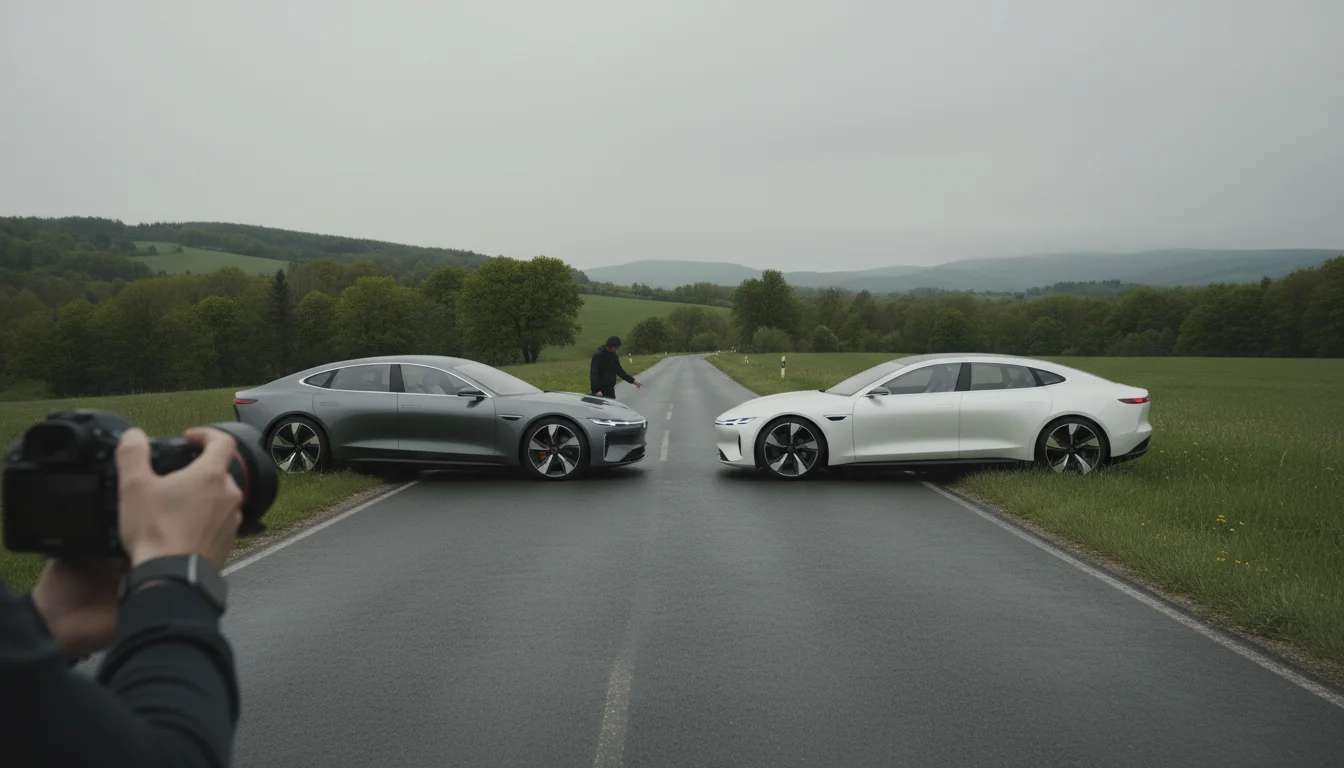
A review of the base model illustrated with the fully loaded press car misleads readers before the first paragraph. Resolving the exact trim keeps the pictures as honest as the copy, which is the whole editorial promise.
Built for the pace of publishing, not the pace of press offices.
The article's subject resolves by model, trim and year, so the image is settled with the outline.
Image URLs embed like any asset, sized per template, and the CDN handles the traffic spike.
Identical framing across contenders makes comparison pages legible in a way mixed press shots never are.
Older model years resolve too, so evergreen pages and historic rankings get correct imagery retroactively.
Four contenders, one framing, and the reader sees the cars instead of the photo sources.

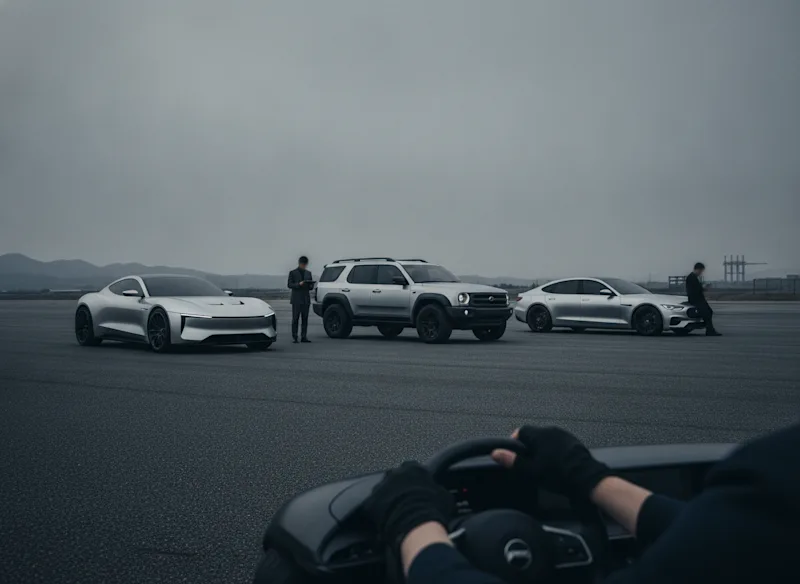

Evergreen pages drive compounding traffic and show decade old wire photos with dead attributions. Full model history coverage lets the archive upgrade to consistent, correctly attributed imagery in one pass.
Reveal coverage waits on press kits, and aggregators win the hour. When the specification is public, the render is available, and the story ships with a correct image while the embargoed gallery is still downloading.
Our comparison pages used to look like a collage of four press offices. Now the contenders line up, and the archive rebuild gave old rankings a second life in search.
For showing what a vehicle is, yes, and more accurate than a press car that rarely matches the reviewed spec. For depicting a specific physical event, your photography stays irreplaceable, and the two mix cleanly with honest captions.
One licence covers publication, so the credit line is uniform and the rights chase per image disappears. Your standards desk will ask; the licence text is written for them.
Model history coverage reaches well back, which is exactly what archives and retrospectives need. Where a year is unavailable, the response says so rather than substituting silently.
The images serve from a CDN built for exactly that, and your own caching layer can sit in front. A viral comparison page is a good day, not an incident.
Publisher volume is mostly cache friendly, which keeps it economical. The pricing page explains plans, and the trial is enough to rebuild a section and measure.
Yes. Colour and angle are parameters, so interactive elements in articles are frontend work on the same URLs, no special agreement needed.
Automotive publishing has always been image rich and image poor at the same time: rich in dramatic press photography of launch trims, poor in correct pictures of the actual cars readers ask about. The base model, the mid trim, the market specific variant, the seven year old version in the used buying guide: none of these exist in a press kit, and all of them anchor real traffic.
A publication that would never misquote a spec sheet will happily illustrate the base trim review with the press fleet's loaded launch car, because that was the photo that existed. Resolving imagery from specification data extends editorial accuracy to the pictures: the trim in the headline is the trim on the page, at every angle the text discusses.
Track tests, long term reports, motor shows and anything where the specific physical car is the story: that is photography, and no render replaces it. The catalogue covers the illustrative layer underneath, which is most images on most pages, and lets the photo budget chase the stories that need a camera.
The archive deserves emphasis because it is where the economics live. Evergreen buying guides and rankings compound in search for years, and they are precisely the pages whose imagery has rotted worst. A single rebuild against full model history coverage refreshes the deepest traffic assets a publisher owns.
Tell us which section to pilot and how your CMS takes images. You get resolved imagery for real articles and the licence text for your standards desk.