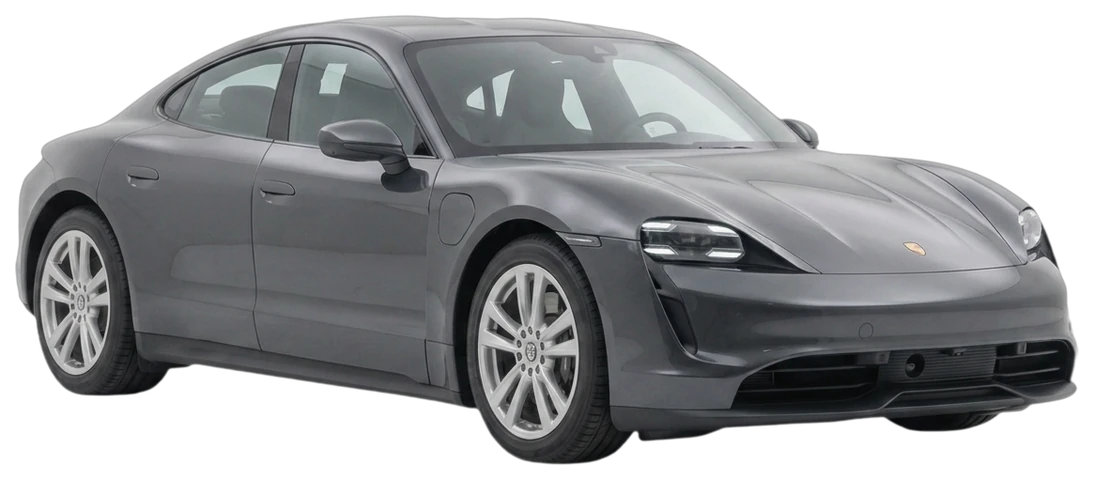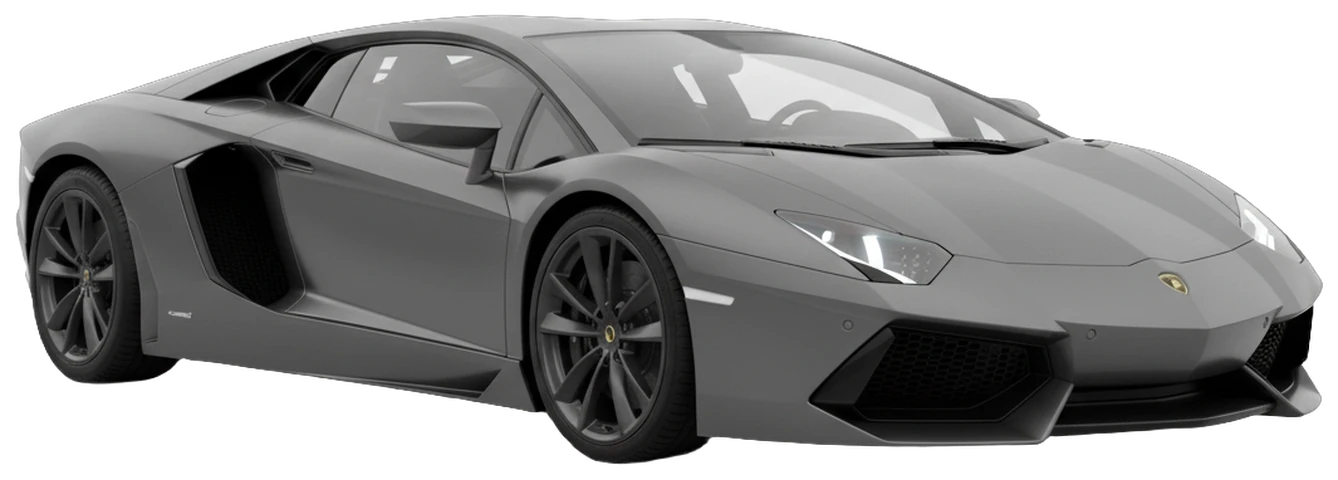
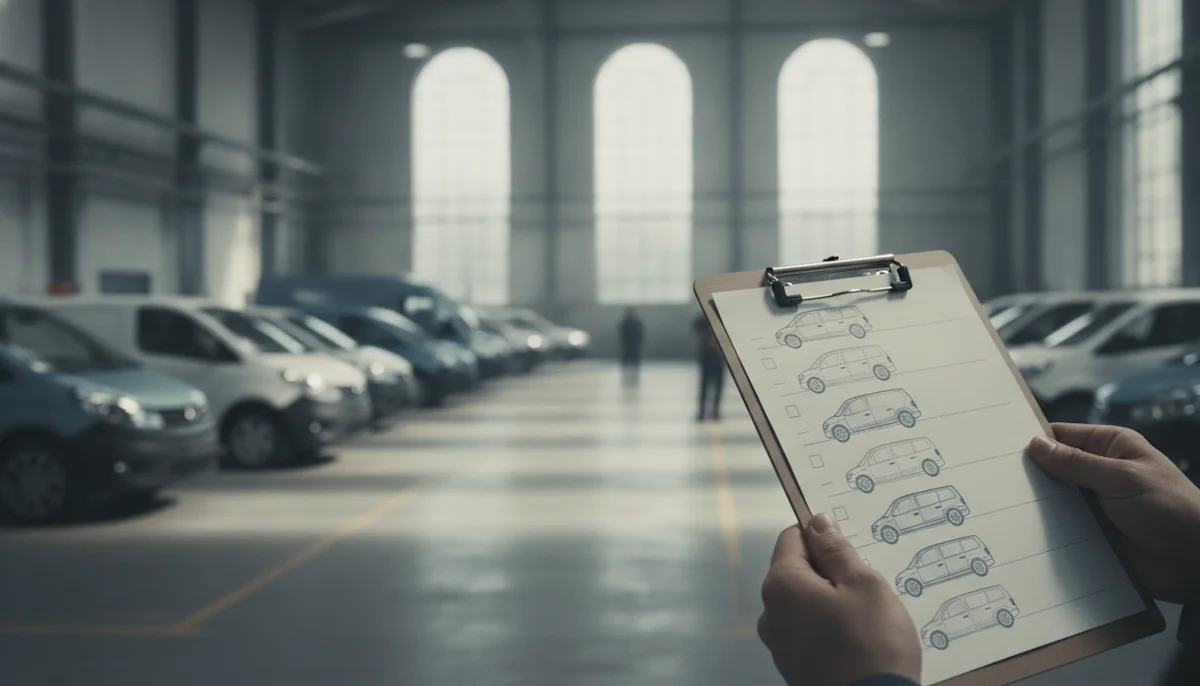
Every row in your fleet system carries the one identifier that resolves to an exact picture. No photography project, no asset folder, just a lookup on data you have held all along.
One integration in the fleet system, and every surface that lists vehicles inherits it.
Run the VINs through the API and store the URLs against each vehicle record.
Pool lists, assignment screens, damage reports and driver apps all render the same stored links.
Additions resolve on intake, disposals drop out, and replacements arrive with their picture.
Store copies with closed vehicle files, so historic records stay complete without live calls.
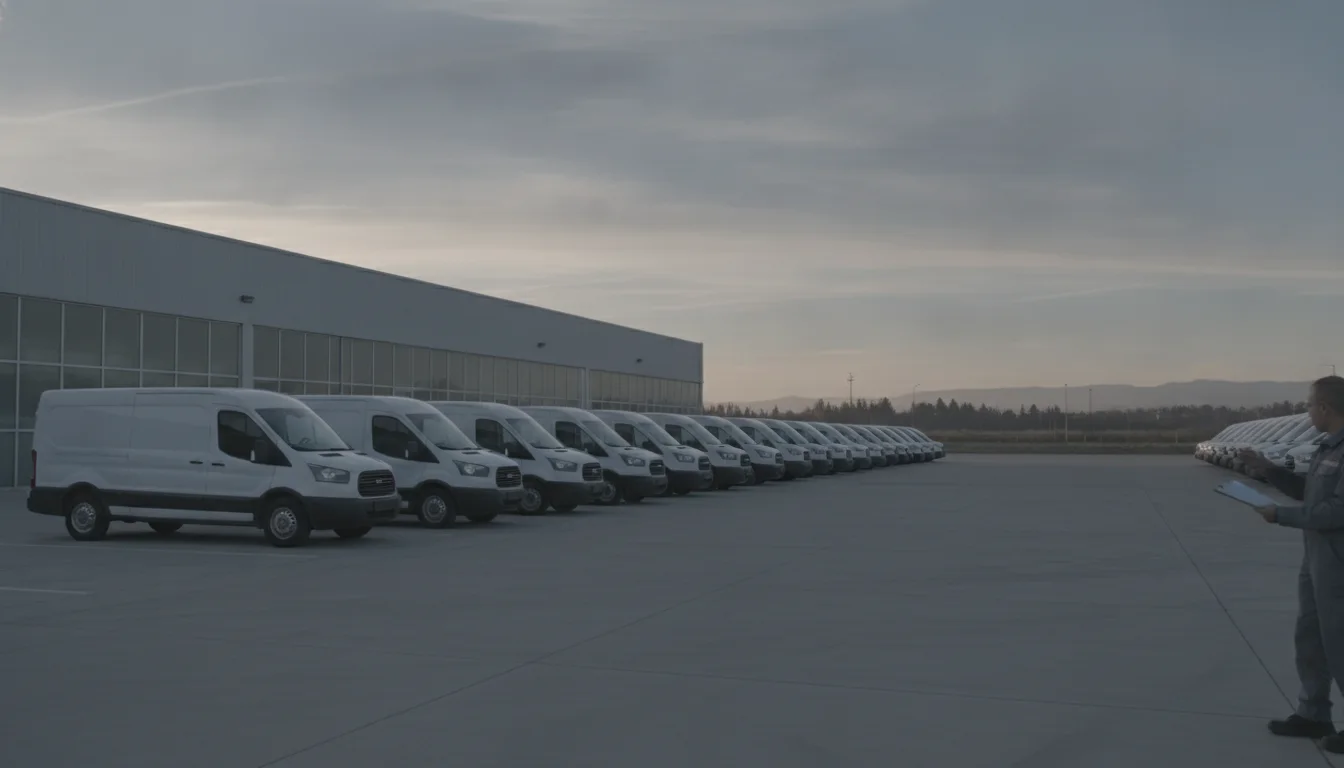
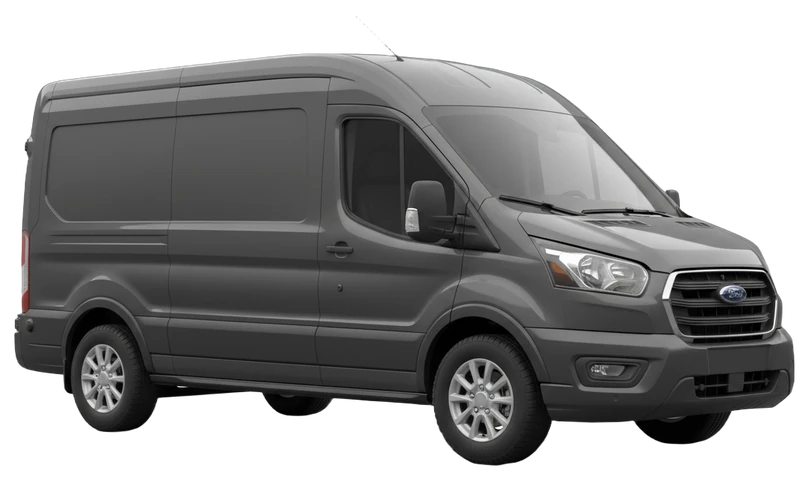
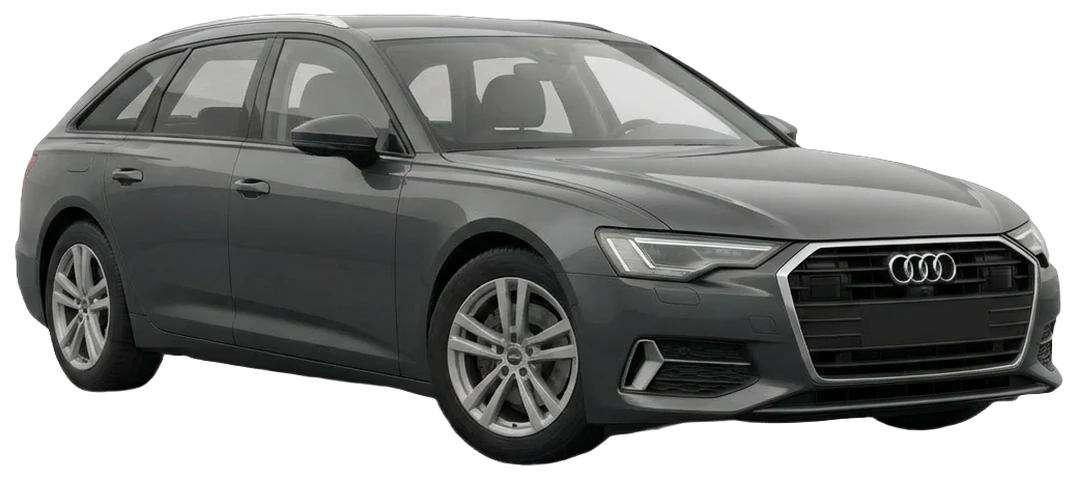
The van fleet finally gets the same treatment as the executive saloons.
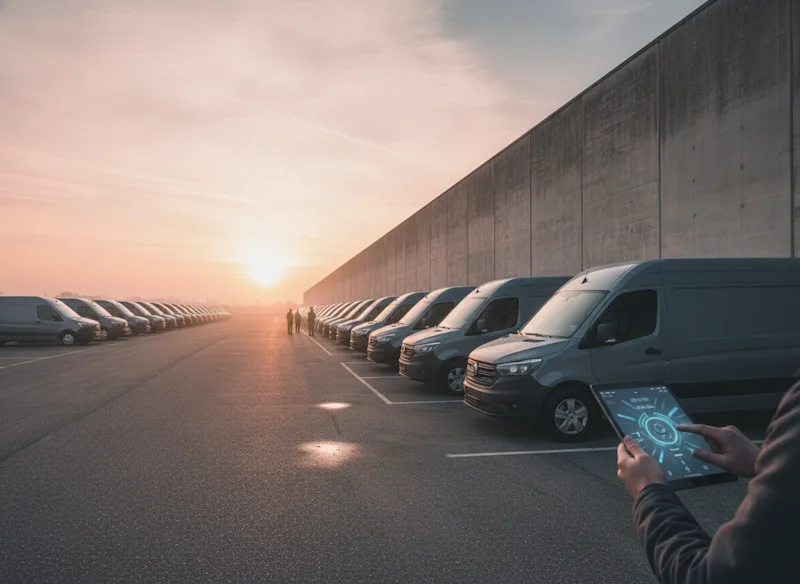
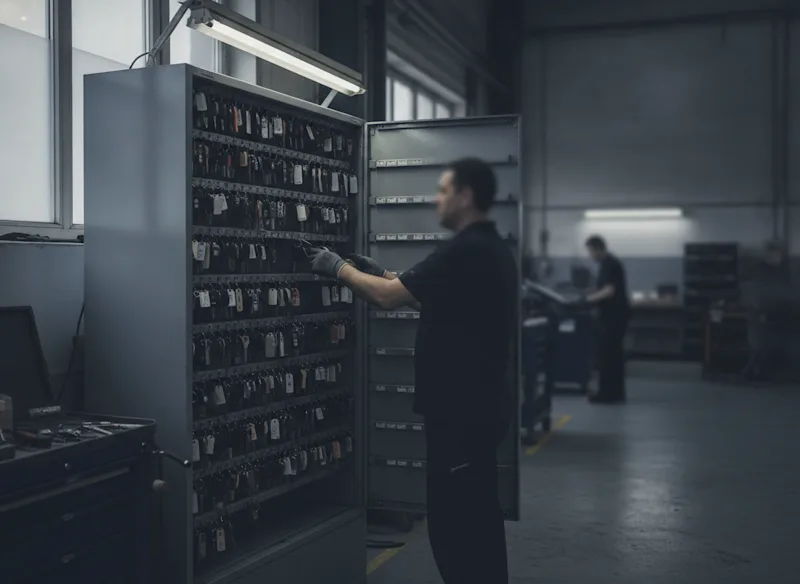


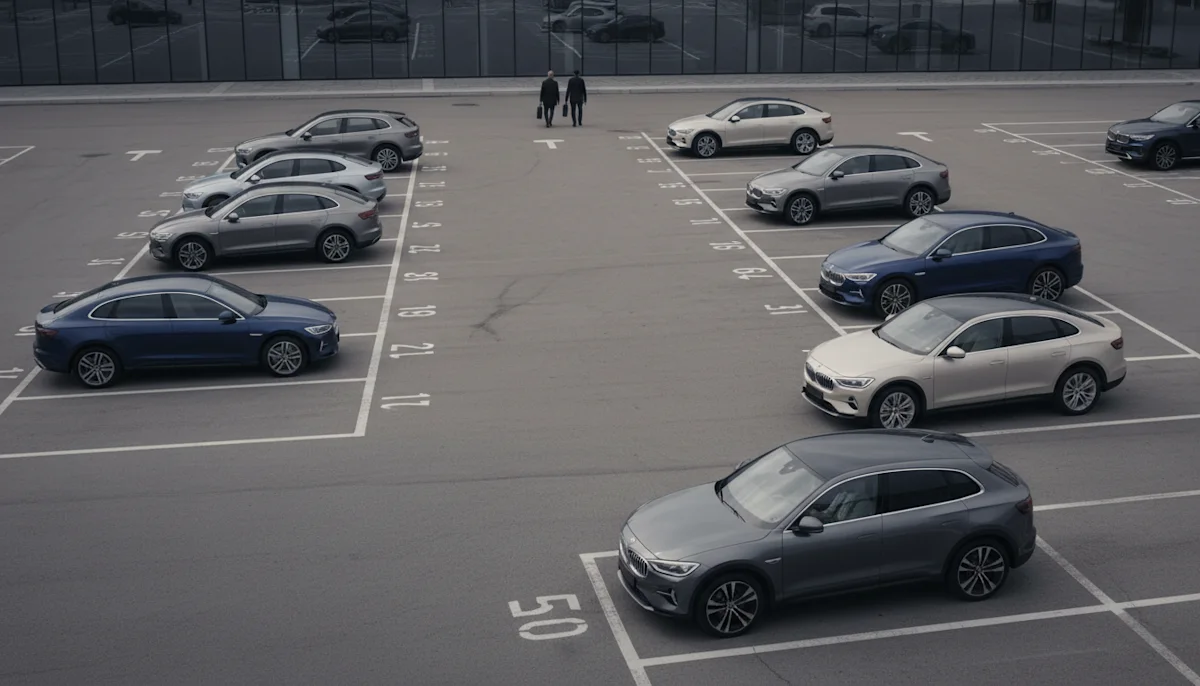
The vehicles nobody owns are the vehicles nobody photographs. A pool list where every entry shows its car gets used differently: drivers recognise what they are booking, and managers spot the outlier at a glance.
Trucks and heavy commercials, ready for fleet and listing pages.
See examplesSedans, SUVs, hatchbacks and coupes from every major brand.
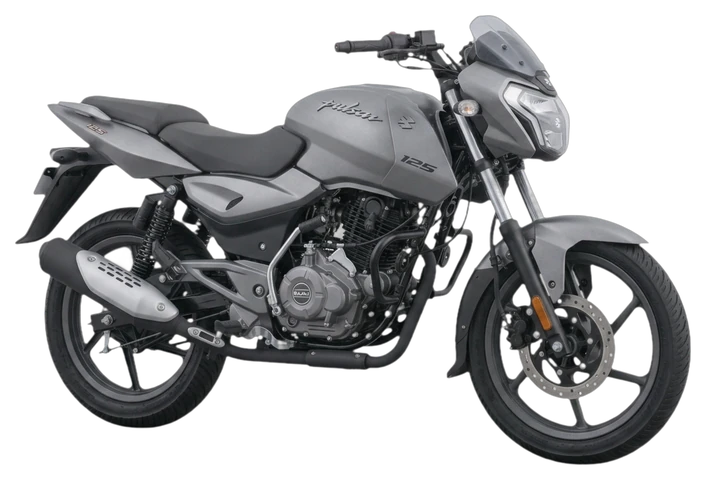
See examplesMotorcycles and two wheelers, the same clean look as our car images.
See examplesEVs and hybrids, rendered with the same clean studio look.
See examplesCoupes, roadsters and supercars, every angle in showroom quality.
See examples
A fleet review with pictures moves faster than one without. The board sees what the money drives, the auditor matches records to vehicles, and the TCO discussion happens over a fleet everyone can see.
Our pool booking tool went from a table of registration numbers to something drivers actually recognise. Support questions about which van is which just stopped.
If it can store or render an image URL against a vehicle record, yes. Most fleet platforms have exactly that field, and the integration is a one time resolve of the register plus a hook on vehicle intake.
Yes, including body variants, which matters because the van fleet is usually the biggest and worst pictured part of the register.
Cache images with the vehicle file when it closes. Historic records keep their pictures without depending on live lookups, and the licence covers archived copies.
The same URLs work in any app, sized per screen through request parameters. Booking, handover and damage flows all become more legible with the vehicle visible.
No. You send vehicle identifiers only. A VIN resolves without any driver information attached, which keeps the data protection review short.
Very favourably. A fleet register resolves once and updates on changes, so request volume is a fraction of a consumer site. The pricing page covers the plans.
Fleet management runs on precise data and blank imagery. The register knows every vehicle down to the trim and the paint code, and displays that knowledge as rows of text, because photographing a distributed fleet has never been worth anyone's time. The result is software where a thousand vehicles are functionally invisible.
Because fleet systems are built on VINs, the image problem is smaller than it looks. Each VIN resolves to a studio image of the exact vehicle, so the entire register can be pictured in one batch run and kept current by hooking vehicle intake. No fleet manager photographs anything, and no asset folder needs a maintainer.
The pattern that works is register first: resolve everything once, store the URLs, and let every downstream surface inherit them. Driver apps and reports follow without new integration work, because they already read the vehicle records that now carry images.
None of these is dramatic alone. Together they change how often the fleet system gets opened voluntarily, which every fleet manager knows is the real adoption metric.
Tell us your fleet size and which systems the images should reach. You get real images for your VINs and the licence text for apps, reports and archives.