












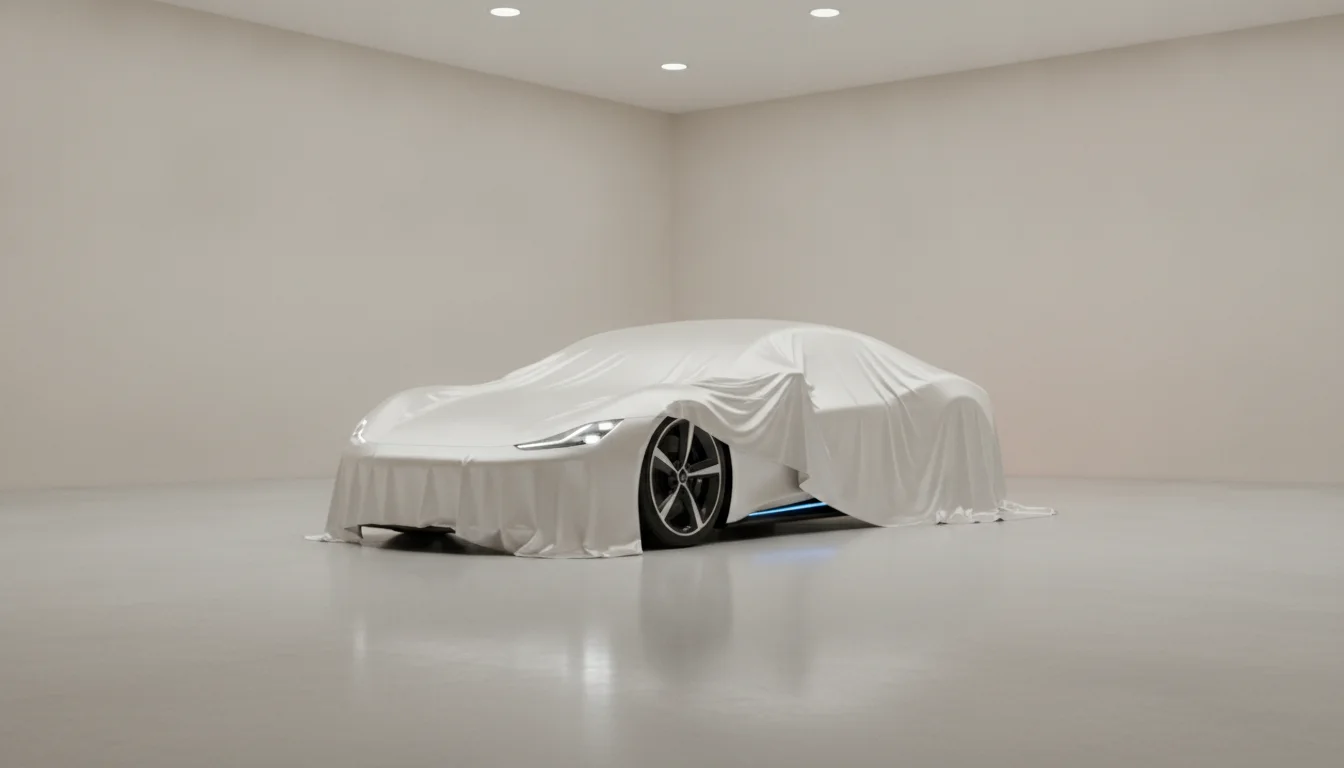
Every wave of new EV brands recreates the same bootstrap problem. A manufacturer that launched eighteen months ago has cars on the road and orders in the pipeline, and almost no pictures in the ecosystem. No used stock to photograph, no dealer archives, a press kit with six hero shots of one launch trim in one colour. Meanwhile every marketplace, leasing platform, insurer and finance calculator that wants to list the brand needs images now, for every trim it sells.
Why the photo supply chain fails new brands
The traditional image supply chain runs on accumulated inventory: cars get photographed because cars exist in volume. A new brand inverts that: demand for images arrives before the vehicles accumulate. The result is visible on every platform that lists a young brand: one recycled press photo standing in for an entire model range, in colours the customer cannot actually order.
How a rendered catalogue closes the gap
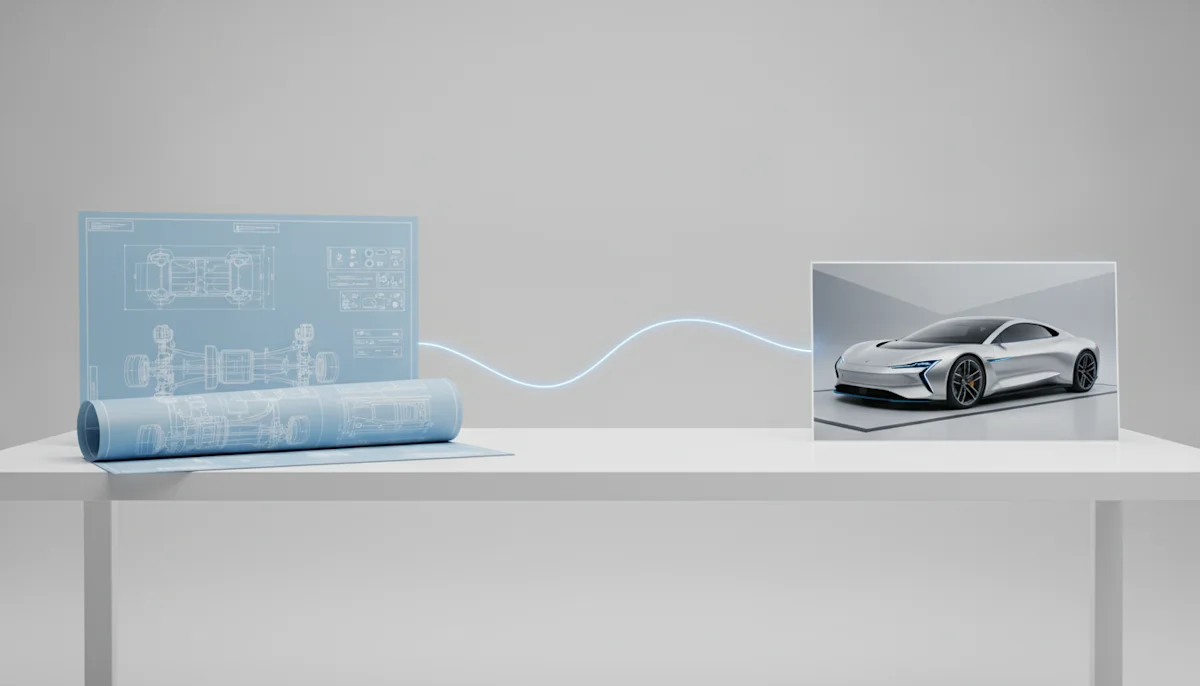
A catalogue rendered from manufacturer vehicle data does not wait for physical cars. When a brand's specification data lands, with trims, body styles, wheels and paint options, the full image set follows for the whole range: every angle, every factory colour, in the same studio framing as brands that have existed for a century. The new brand's listings look as established as the establishment's, which is precisely what a challenger brand wants.
What platforms should ask their image provider
- Time-to-catalogue: when a new brand or model launches, how quickly do its images appear?
- Update cadence: how do facelifts and new model years flow in, and do stable IDs keep old references resolving?
- Range depth: launch trims only, or the full configurator range including the colours?
- Fallback behaviour: what does the API return for a model year it does not have yet, and does it say so?
That last question separates mature catalogues from photo libraries with an API on top: an honest response includes fallback notes, the API telling you it substituted the nearest model year, so your platform can decide what to display, rather than discovering the substitution from a customer complaint.
A brand's image coverage should be a fact about its data, not a fact about its age.
What this means for the brands themselves
For the manufacturer, image coverage is distribution. A brand can negotiate its way onto a marketplace, but if the listing renders with one recycled press photo, the shelf presence is wasted. Established brands solved this over decades with dealer networks and photography budgets. A challenger gets the same shelf presence the day its specification data is in the catalogue, which turns a back-office data delivery into a marketing outcome.
There is also a quieter benefit on the service side. Insurers, lenders and leasing companies need images of a brand before they will feature it prominently in quotes and configurators. Every surface that can show the car correctly lowers the friction of saying yes to the new brand, and none of those surfaces wants to build a special case for one manufacturer.
Current coverage, including brands, models and how new ones arrive, is on full make and model coverage.