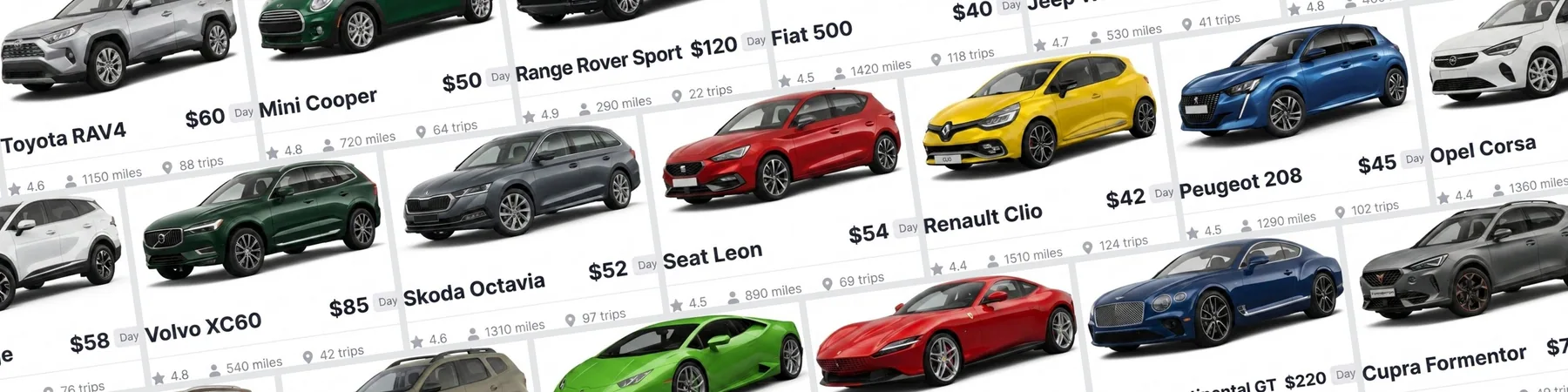
Broking sells trust in the deal and taste in the presentation. Show every proposed car in its exact trim and colour, in one premium look, without owning a camera or a single stock photo subscription.
A client weighing two brokers sees two PDFs. The one where every car appears in its exact specification, consistently presented, reads as the safer pair of hands before a single number is compared.
The images fit the pace of broking, which is measured in hours, not shoot days.
The client wants a specific car or a shortlist. Either way you hold make, model, trim and colour.
Each specification resolves to its exact image, including colours the client is still deciding between.
The PDF or the link shows every candidate in the same framing, so the comparison is about cars, not photos.
The order confirmation carries the chosen specification, which is the picture the client has already fallen for.
Four candidates, one look, a proposal that sells the service.

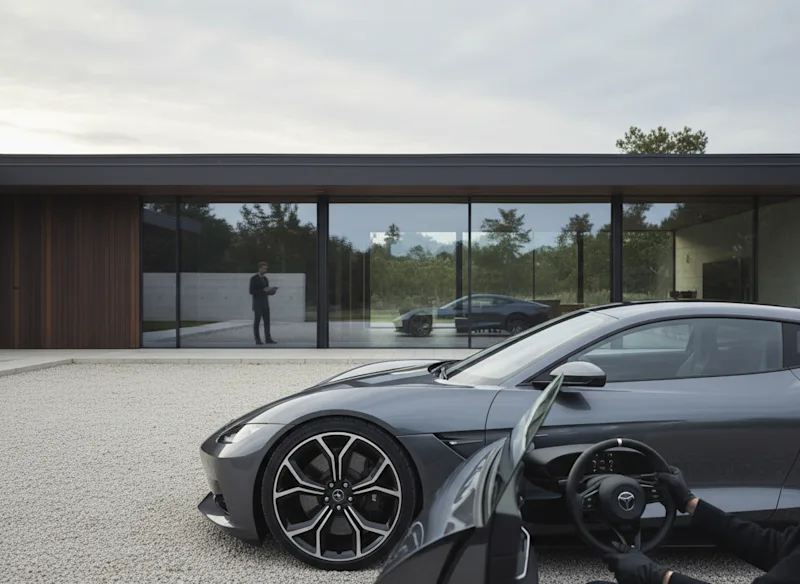



Brokerage margins live at the premium end, and premium buyers judge materials the way they judge showrooms. Consistent studio imagery moves a small operation into the visual league of the manufacturers it buys from.

The conversation where a client picks between two colours is a closing conversation. Sending both, rendered on the actual trim, keeps that conversation inside your proposal instead of on a manufacturer website that does not know you exist.
Clients started forwarding our proposals, which never happened with the old copy pasted press photos. The presentation now matches the service, and we are three people.
The opposite. Photography scales with headcount and budget, rendered imagery does not. A small brokerage gets exactly the same catalogue a leasing giant uses, which levels precisely the part of the game that used to require size.
However you build them. The API returns image URLs in any size and format, so proposal tools, document templates and plain email all work. Most brokers wire it into their document template once.
Yes, and you should. The same trim renders in any factory colour, so the deciding conversation happens over real options inside your document.
Specifications resolve without a VIN, which covers factory orders completely. When the car exists, the VIN takes over for delivery paperwork.
No, that use is the licence. Proposals, offers and order confirmations are documents the licence explicitly covers, unlike the press photos most brokers quietly reuse today.
Broking volume is low by API standards, which makes the economics friendly. The trial is enough to run several real proposals end to end and see the client reaction yourself.
A car broker sells two things: access to a better deal and confidence that the deal is safe. The second is decided by presentation long before it is confirmed by paperwork, and presentation is where small brokerages have historically lost to size. The manufacturer has a press studio. The leasing giant has an image pipeline. The broker has whatever could be saved from a press site at eleven at night.
Rendered imagery removes size from the equation. Every proposal shows the exact specification under discussion, in consistent studio framing, at whatever resolution the document needs. The three person office and the three thousand person lender draw from the same catalogue, and the client cannot tell, which is the entire point.
Rendered images show the car as specified, not a specific used vehicle's condition. For sourcing used stock, pair the reference image with the seller's condition photos, exactly as auction catalogues do. Clients read the combination as thoroughness, which suits a broker fine.
Brokers rarely measure conversion the way platforms do, but they feel it in reply speed and in how often a shortlist comes back with a decision instead of more questions. Materials that show the actual cars shorten the loop.
Send us the specifications from a current client brief. You get the images for the proposal and the licence text that covers sending them.