Auction calendars do not wait for photography. Resolve every lot by VIN as it lists and the catalogue carries a clean reference image from minute one, with condition photos joining as they arrive from the yard.
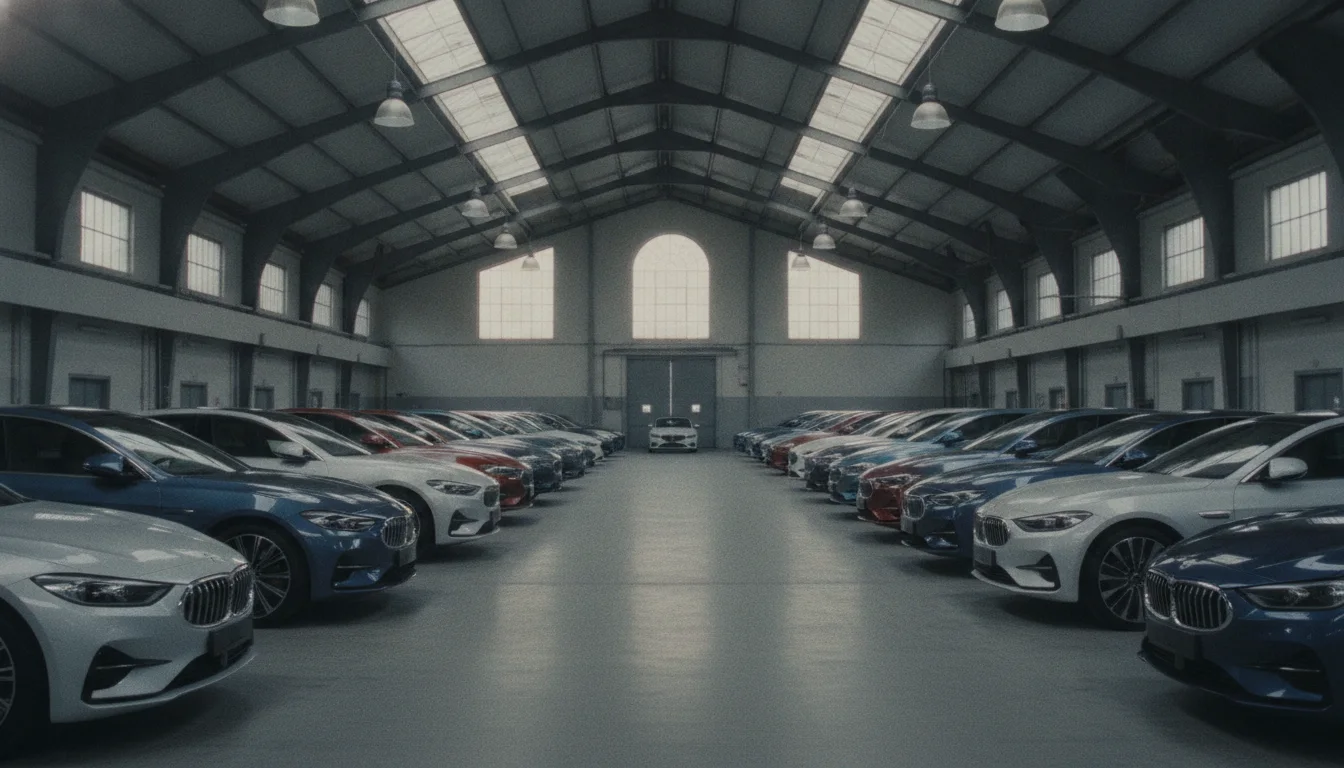
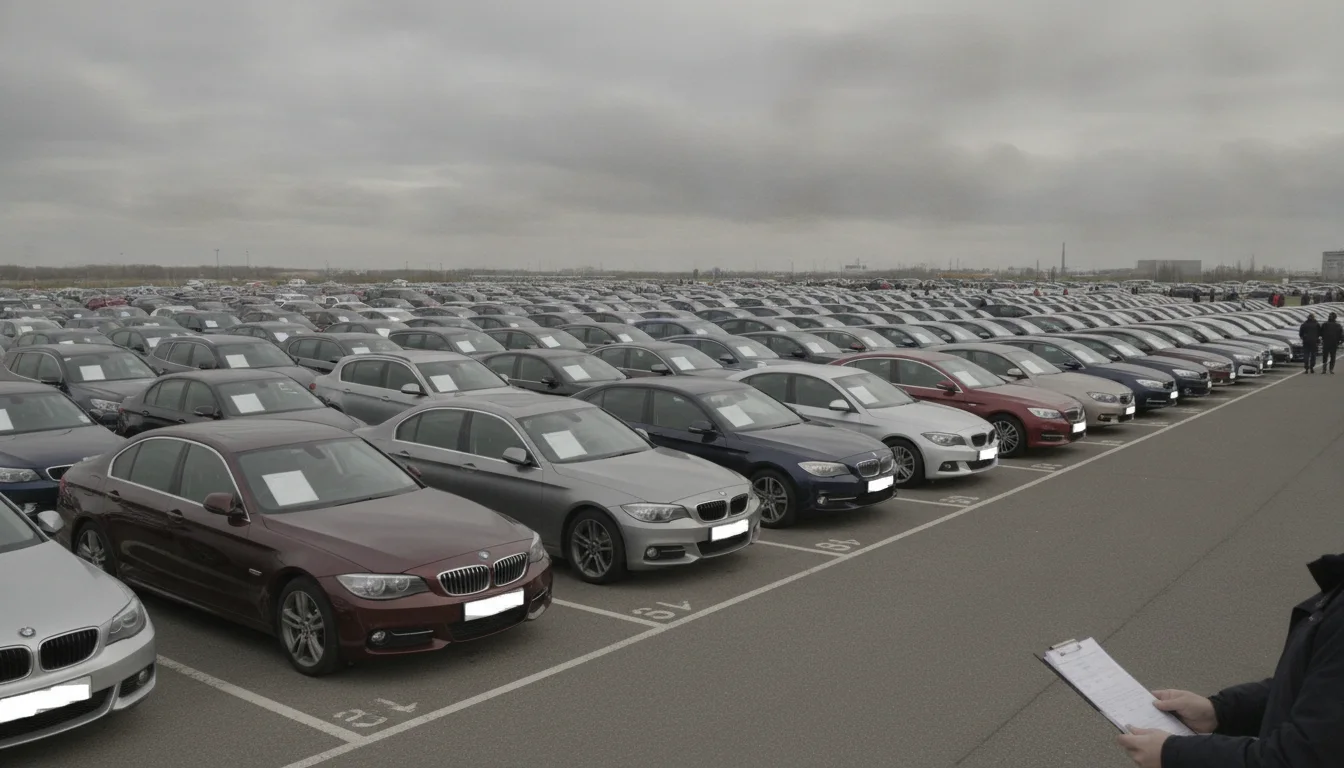

A sale with four hundred lots cannot schedule four hundred shoots, so catalogues go out patchy and late. Resolving the lot list by VIN pictures the entire sale in the time of a batch job.
The catalogue pipeline you have, with images arriving at data speed.
VINs from consignors resolve to exact vehicles, trim and colour included.
Every lot carries a clean studio image from the first minute the sale is browsable.
Yard photography joins each lot as it happens, beside the reference rather than instead of it.
Portal and partner feeds carry the same URLs, so the sale looks consistent wherever it is syndicated.
Every lot in the same framing, so bidders compare cars instead of photo quality.


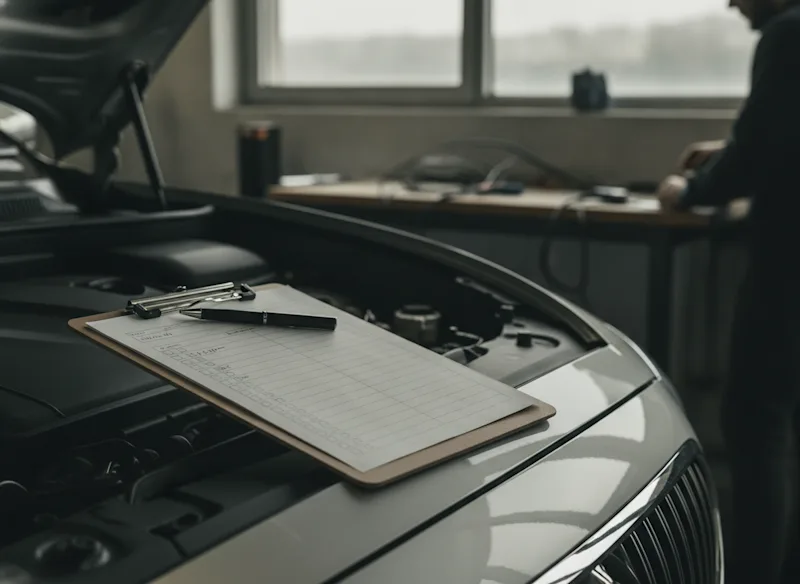

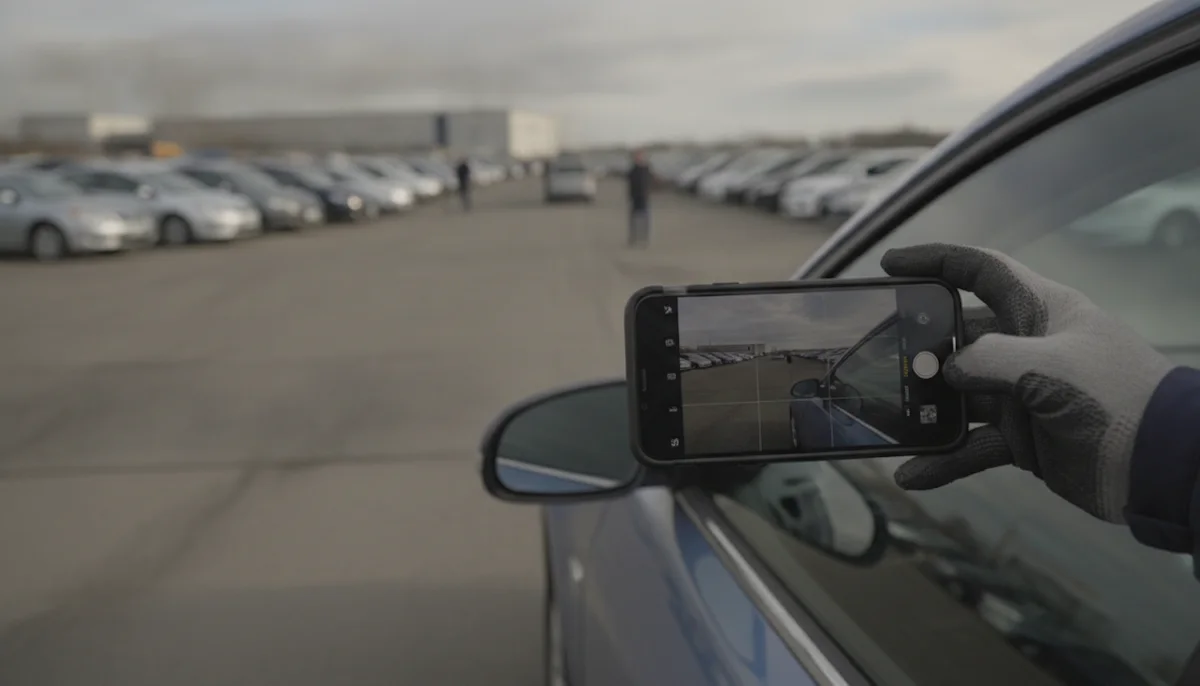
Bidders ask two things: what is this car, and what state is it in. The reference image answers the first perfectly and the second not at all, which is exactly right. Condition is the yard photos' job, and separating the two makes both legible.

Online timed auctions live and die by how fast lots go browsable. Removing photography from the critical path means consignment to live listing happens the same day, and the bidding window opens while interest is fresh.
Catalogue production used to gate every sale we ran. Now the lot list is the catalogue, and the yard photographs what actually needs photographing: the damage.
Not when the roles are labelled. The reference image shows what the vehicle is, the yard photos show what state it is in, and presenting them as two layers is more honest than a single glamour shot ever was.
A lot list resolves in one batch run, so the practical answer is minutes after the data is clean. Late consignments resolve individually as they arrive.
The VIN resolves to the vehicle as built, which is precisely what a bidder needs as the baseline against the damage photos. The worse the condition, the more useful the clean reference.
Yes. Feeds carry the same CDN URLs with per channel sizing, and the licence covers syndication to the portals you list on.
Coverage includes full model histories, and where an exact model year is unavailable the response says so explicitly, letting your catalogue decide the fallback instead of guessing.
It refocuses them. The yard stops shooting walkarounds of intact vehicles and concentrates on condition documentation, which is the photography bidders actually pay attention to.
Auction catalogues have a production problem disguised as a photography problem. The sale date is fixed, the lot list finalises late, and somewhere in between every vehicle is supposed to be photographed, edited and uploaded. The result is familiar: catalogues that go live half pictured, lots that stay invisible until the day before the sale, and a yard team spending its week on walkarounds of perfectly ordinary cars.
Every hour a lot is browsable is an hour it collects watchers, and photography is the slowest step between consignment and browsable. Resolving lots by VIN removes that step for the reference layer entirely. The catalogue is complete when the data is, which in a timed sale directly extends the effective bidding window.
Run one sale as a pilot: resolve the lot list, publish with references, and let the yard photograph only condition. Measure time to full catalogue, watchers per lot, and what the yard team did with the reclaimed hours. Those three numbers usually settle the rollout discussion.
The clean reference image and the condition photograph answer different questions, and auction lots are the clearest case in the whole industry. A bidder pricing a damaged Vitara needs to know what an undamaged one looks like from that angle, then needs to see the damage honestly. Catalogues that separate the layers read as trustworthy, and remote bidders, who cannot walk the yard, depend on that separation completely.
Tell us your sale volume and how lots reach your system. You get reference images for a real lot list and the licence text for catalogue and feeds.