
Ask an insurer where its vehicle pictures come from and the answer is usually a folder nobody maintains. Here is what insurers and lenders actually use a car image API for, how the integration looks, and what to check before picking one.
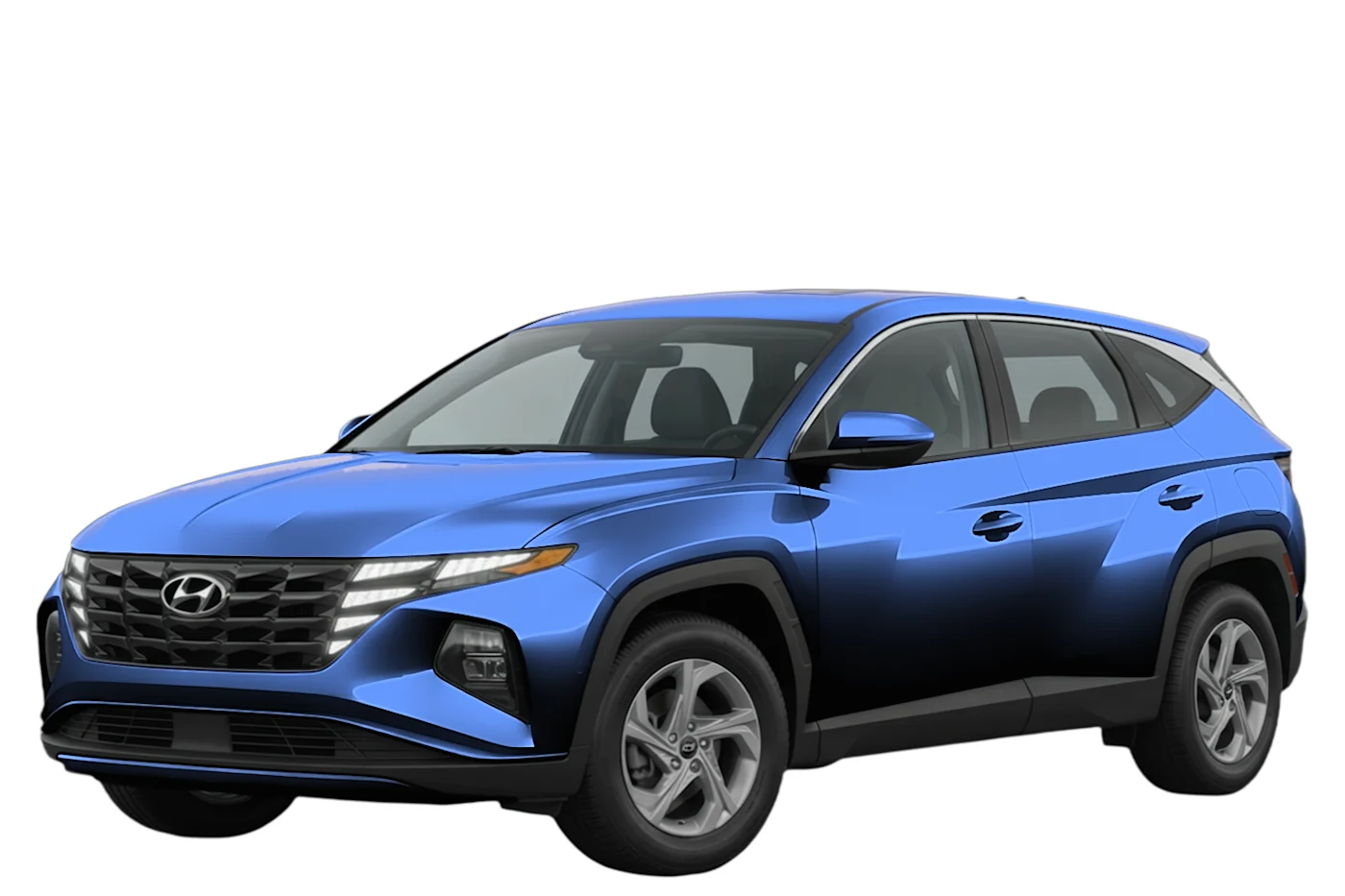
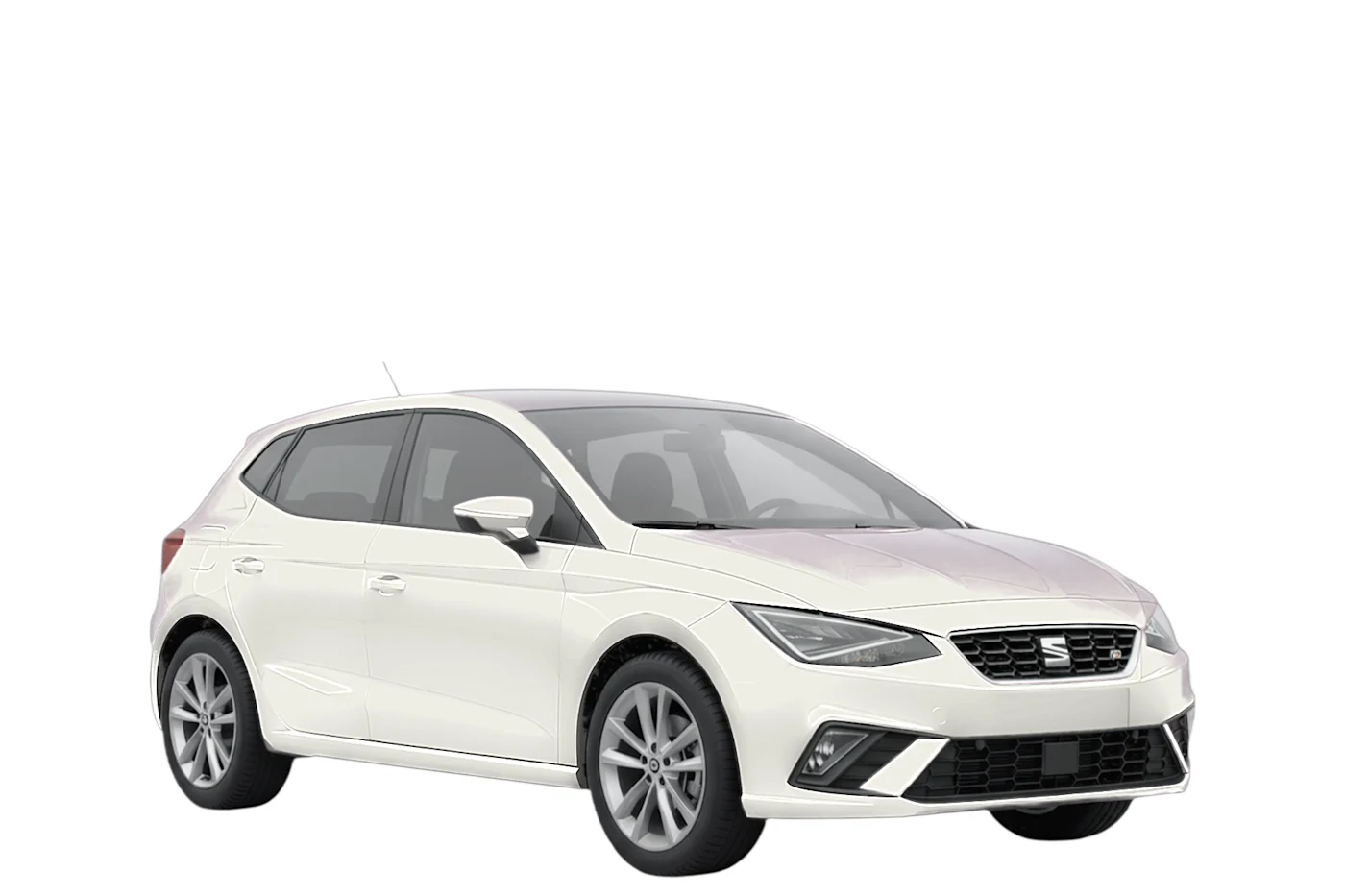

The moment the vehicle resolves, the quote stops being abstract. The customer sees the car they are insuring, in the right trim and colour, while they are still deciding whether to finish the form. Insurers measure that difference in completion rate.
Most teams wire this into an existing quote flow in days, because it is one lookup and one image URL.
The customer types a plate, or the record holds a VIN. Send it as it is; no personal data travels with it.
The API returns the exact model, trim and factory colour on record, with a stable ID you can store on the policy.
Ask for the angle, size and background the screen or document needs, and put the returned CDN URL straight into the template.
The same lookup serves the policy schedule, the renewal and the claim file. Cache the images in your own storage if documents must regenerate years later.
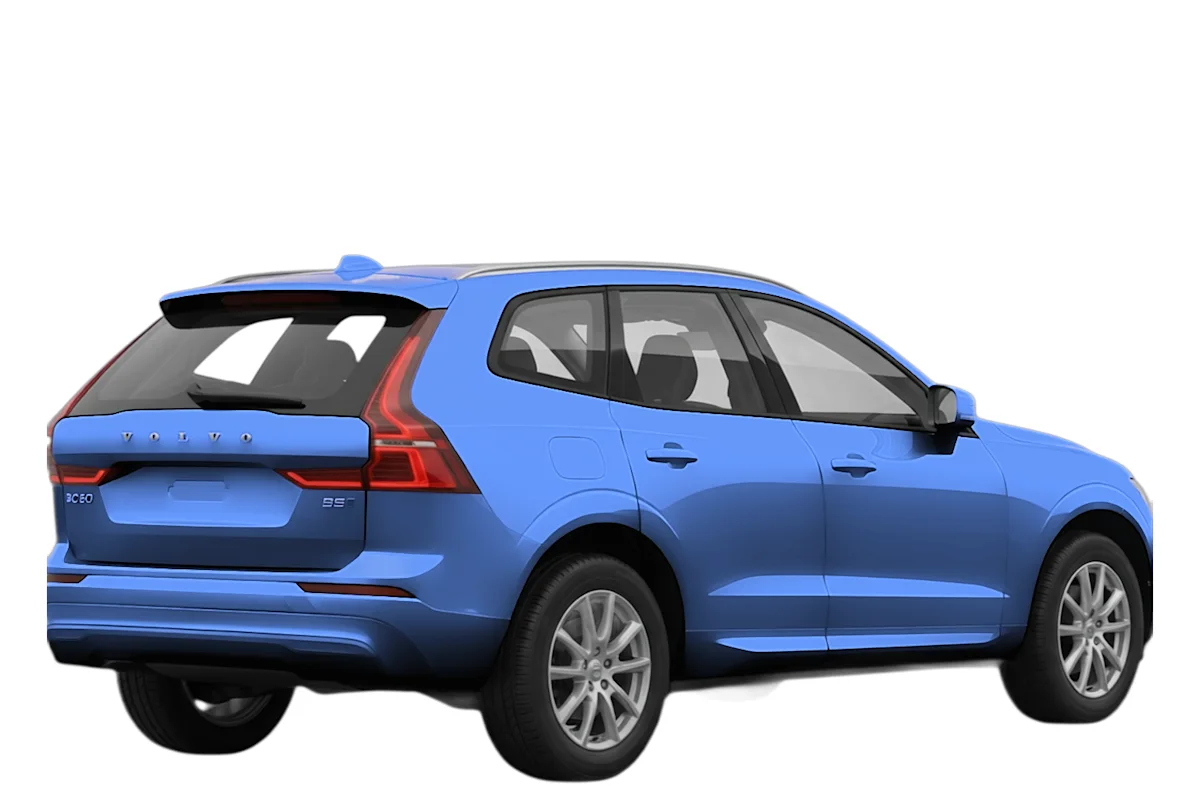
A finance quote, a lease offer and a point-of-sale calculator all want to show the vehicle the number is about. The same VIN lookup that personalises an insurance quote fills a loan illustration, which is why lenders and insurers tend to evaluate the same providers.
Quote completion moved the quarter we put the customer's actual car on the screen. We expected a design improvement and got a sales one.
 Katrin Osterloh Head of Direct Business, Aldertal Insurance
 Three kinds show up in practice: manufacturer press libraries, stock photo collections, and rendered catalogues served over an API, which is what this site is. Press and stock images fail on trim accuracy and on licensing at document scale, which is why quote flows and claims systems mostly end up on rendered catalogues. The honest answer to “which one” is: the one that resolves your book's identifiers correctly. Test that first.
The quote flow sends the plate or VIN the customer just typed, the API resolves the exact vehicle and returns an image URL for the angle the screen uses. The customer sees their car on the quote while they are still filling it in. No photography, no library, no manual matching.
Licence terms that cover quotes, policy documents and claim files in writing; resolution from the identifiers you actually hold; and trim-level accuracy, because a customer notices the wrong wheels faster than the right premium. Run twenty vehicles from your own book through the API before you read any feature table.
Yes. A loan quote has the same need as an insurance quote: show the vehicle the number is about. Point-of-sale calculators and finance marketplaces resolve by VIN at quote time in exactly the same way. The auto financing page covers the document set that applies there.
Because the images arrive from everywhere: dealer feeds, press kits, customer phones, old claim files. Nothing lines up, and every document looks assembled. One API means one framing, one lighting and one licence across quote, policy and claim, which is the difference between a document set that looks governed and one that looks collected.
In markets with plate lookup, yes: the plate resolves to the vehicle and the image comes back in the same call. A VIN works everywhere, and make, model, year and trim resolve too if that is all the record holds.
Most insurers do not decide to adopt a car image API; they decide to stop maintaining a picture library. The folder of manufacturer press shots that someone assembled years ago has the wrong model years, three naming conventions and no licence anyone can produce. The API replaces that folder with a lookup: send a VIN or a plate, get back the vehicle on record, in the right trim and colour, from whichever angle the screen needs.
When the customer enters their registration, the quote screen resolves the vehicle and shows it while they are still typing. The difference is not decorative. A quote that shows a silver hatchback of roughly the right shape reads as an estimate about a category; a quote that shows their car in their colour reads as an answer about their vehicle. Insurers measure that difference in completion rate.
A loan quote, a lease offer and a point-of-sale calculator all want to show the vehicle the number is about. The VIN lookup that personalises an insurance quote fills a finance illustration unchanged, which is why lenders, brokers and finance marketplaces tend to shortlist the same providers insurers do.
The image resolved at quote does not retire when the policy starts. The same call, cached or repeated, serves every document the customer sees afterwards:
The claims use deserves the extra sentence: a handler comparing damage photographs against a studio shot of the same trim, from the same angle, has something concrete to compare, which is worth more than any stock photo of the model.
What separates car image APIs, for an insurer, is rarely image quality. Three things decide the evaluation:
None of this requires personal data: the API sees a vehicle identifier, not the policyholder. The practical test is the same as everywhere else in insurance. Take twenty vehicles from your own book, run them through, and count how many come back as the right car in the right colour. That number decides the integration faster than any feature table.
Tell us what you need, and we’ll show you exactly the images your customers would get, clean, consistent and ready to use. Send a message or book a short call, whatever suits you better. You’ll usually hear back the same day, with real examples based on your own inventory.